10-Intestinal
Intestinal Dominant Characteristics and Traits
The Intestinal body type is fundamentally defined by Spiritual and Emotional dimensionality, with expansion as its existential imperative. This type operates on a profound principle of dynamic growth: when internal expansion—mental and emotional—is constrained, the Intestinal body will inevitably manifest physical expansion (gain weight) as an alternative expression of its intrinsic need for growth.
Restriction functions not as a limitation, but as a motivational catalytic mechanism. When confronted with constraining circumstances, the Intestinal will experience a powerful motivational force that propels them from known, stagnant environments into uncharted territories of experience. This transition is not merely a physical movement but a spiritual journey of becoming.
The ultimate destination of this transformative process is not simply personal change but the creation of a broader relational landscape. Through their capacity for deep absorption and integration of new experiences, Intestinals contribute to manifesting what might be conceptualized as a tangible, interpersonal manifestation of peace—a lived, embodied harmony that transcends abstract conceptualization.
Their path is characterized by:
- A fundamental requirement for continuous growth
- The ability to see beyond constraint into opportunity
- An innate capacity for comprehensive, multidimensional expansion
- A drive toward creating peace and harmony within themselves and their loved ones
Intestinal Common Emotional Issues
- Abandonment Vulnerability: A profound, pervasive fear of being left behind or emotionally discarded. This deep-seated anxiety manifests as an intense sensitivity to potential interpersonal disconnection, driving complex emotional protective mechanisms and relationship dynamics.
- Persistent Self-Worth Challenges: An internalized narrative of inadequacy that permeates multiple life domains. This emotional pattern generates a persistent inner dialogue questioning personal value, competence, and fundamental worthiness, often creating subtle yet profound personal and professional self-expression limitations.
- Rejection Sensitivity: An acute emotional responsiveness to potential social exclusion or disapproval. This heightened sensitivity creates a complex emotional landscape where the anticipation of rejection can trigger preemptive defensive strategies, potentially constraining authentic relational engagement.
- Existential Despair: A profound emotional undertow characterized by moments of deep existential melancholy. This emotional state transcends temporary sadness, representing a more fundamental experience of emotional weight and spiritual depletion that challenges one’s sense of hope and meaning.
- Hypersensitivity to Criticism: An intricate emotional mechanism that transforms external feedback into intensely personal, often internalized judgment. This heightened critical perception transforms ordinary critique into potentially overwhelming emotional experiences that can significantly impact self-perception and emotional resilience.
Intestinal Personality Characteristics - Spiritual/Emotional
- Emotional Complexity: These individuals possess a nuanced emotional landscape characterized by heightened sensitivity and a tendency to intellectualize their feelings. While deeply attuned to their emotional experiences, they often maintain a certain emotional guardedness, approaching their inner emotional world with analytical caution.
- Adaptive Engagement: They approach life with a fundamental openness and receptivity, actively embracing new perspectives and experiences. However, they demonstrate a pragmatic ability to discern and release elements that do not align with their core values or personal growth trajectory.
- Growth Through Experience: Continuous personal development is critical for these individuals. They require a consistent influx of novel experiences and stimuli to foster mental, emotional, and spiritual evolution. Without such enriching input, they may manifest a tendency towards physical expansion or stagnation, suggesting a direct correlation between psychological growth and bodily manifestation.
Intestinal Physical Features - Males
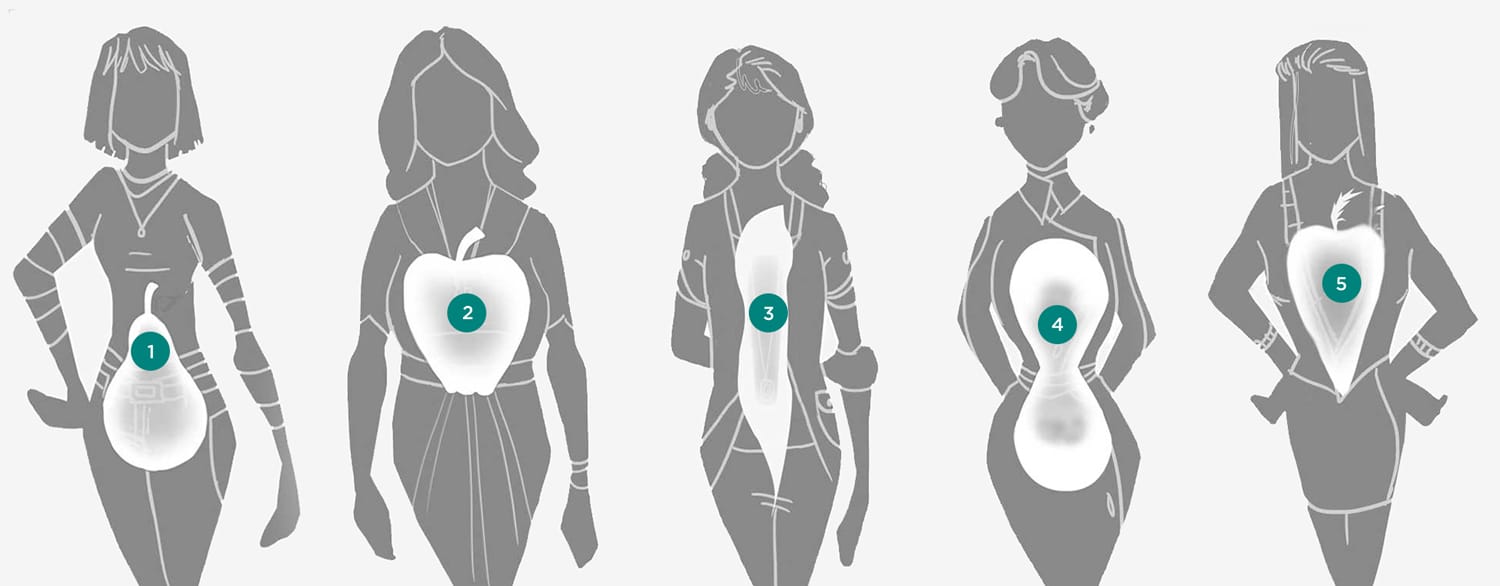
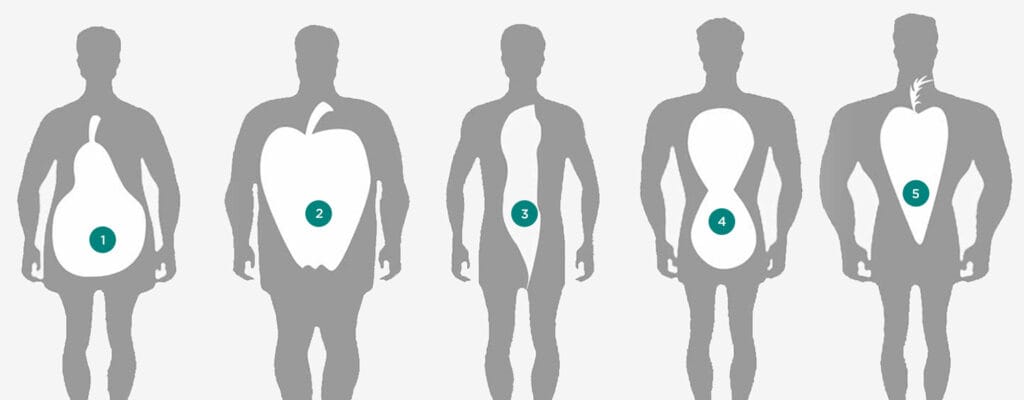
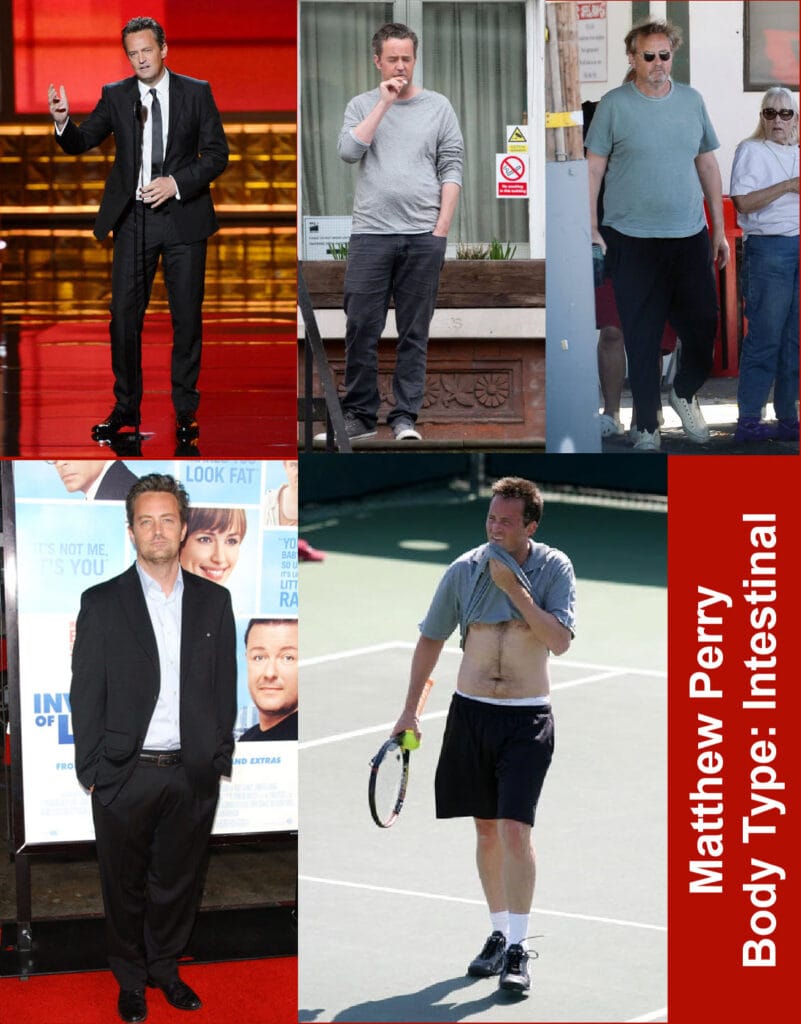
- Torso Composition: Characterized by a robust, linear bodily structure featuring a distinctively thick and straight torso. This architectural physicality reflects a sense of structural integrity and compact, muscular arrangement.
- Unique Dermal and Muscular Profile: Their physique is distinguished by a soft, resilient adipose layer positioned immediately beneath the skin. This distinctive fat distribution subtly obscures muscular definition, creating a smooth, uniform bodily contour that minimizes sharp muscular boundaries.
- Facial Muscular Dynamics: A notable physiological trait is a propensity for muscle weakness in the submental region (under the chin). This muscular characteristic progressively contributes to developing a pronounced submental fullness, commonly manifesting as a double chin over time.
- Stature: Their physical height predominantly ranges from average to tall, contributing to an overall presence that balances substantial bodily volume with vertical proportion.
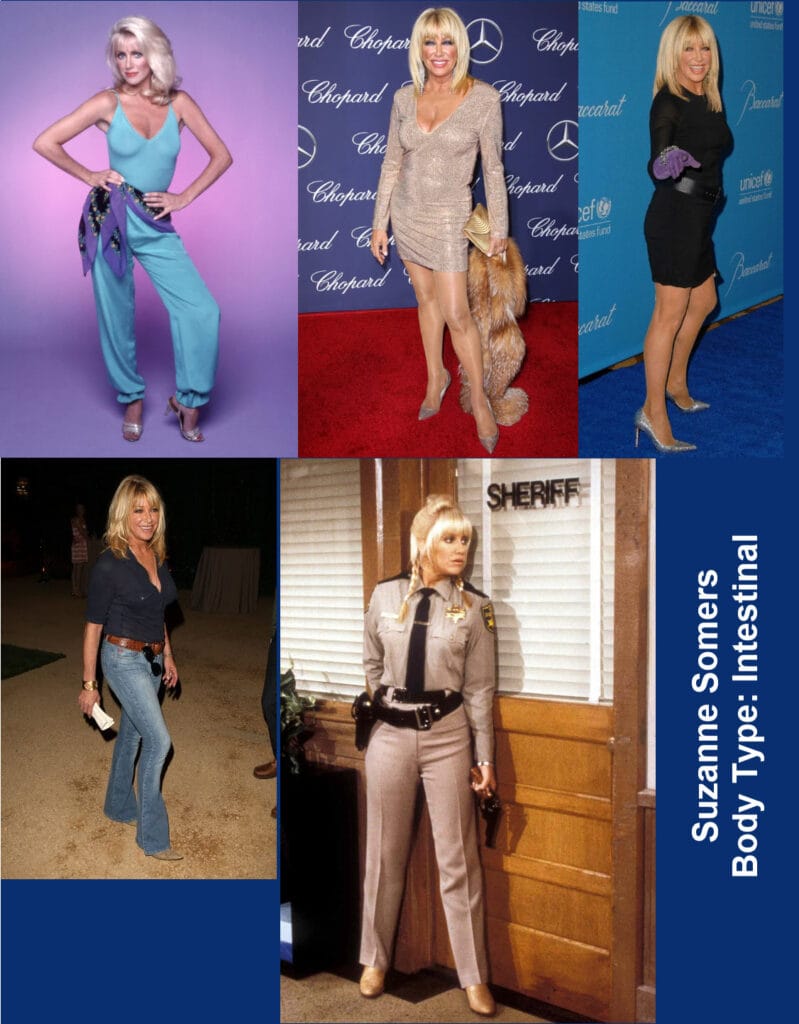
Famous Intestinal Body Types: Bill Gates, Tom Hanks, Matthew Perry
Intestinal Physical Features - Females
- Body Composition: Characterized by a solid physical structure enveloped in a soft, diffuse layer of adipose tissue. This distinctive dermal profile creates a smoothed muscular landscape, effectively minimizing sharp muscular contours and presenting a uniformly rounded bodily texture.
- Facial Muscular Dynamics: A consistent physiological trait involves muscular weakness in the submental region, which progressively manifests as a characteristic double chin. This feature suggests an underlying muscular and structural predisposition.
- Skeletal Framework: Their bone structure exhibits a refined scale, predominantly ranging from small to medium dimensions. This delicate skeletal architecture contributes to their overall physical presence and proportionality.
- Vertical Dimension: Height presents a remarkably diverse range, spanning from petite statures to notably tall configurations. This variability suggests significant individual variation within this physical typology.
- Thoracic Characteristics: Breast development typically occupies the median to expansive spectrum, ranging from average to substantial volume, further contributing to their distinctive physical profile.
- Gluteal Topography: The posterior region demonstrates considerable variation, extending from relatively flat configurations to more rounded, pronounced formations.
- Spinal Curvature: Lower back alignment manifests along a continuum from straighter configurations to average curvature, reflecting nuanced postural and structural diversity.
Daily Intestinal Health Habits
Physical/Body Awareness
Intestinal Body Habit #1
avoid overloading the digestive system by overeating or eating too heavy meals. Make lunch the largest meal. Remember, the body stops digesting meat protein after 2pm (PDF p. 277). Chew your food, enjoy it, don’t glup or scar it down.
Intestinal Body Habit #2
eat a variety of vegetables help the microbiome.
Blog: Increase Gut Bacteria Diversity: Here’s How by Dr. Eric Berg
https://youtu.be/DUqVHZSFKZo?si=4STSZIzNtZeMUuue
Intestinal Body Habit #3
take Digestive enzyme
Megazyme by Young Living - Pancrelipase, Trypsin, Carrot Powder, Alfalfa, Pancreatin, Papain, Bromelain, Betaine HCI, Black Cumin
Super Enzymes by Now Foods - Betaine HCI, Ox Bile, Papaya, Pancreatin, Bromelain, Protease, and Papain

Intestinal Body Habit #3
drink apple cider vinegar with water 30 minutes before each meal.
Intestinal Body Habit #4
eat fermented foods like - sauerkraut, kimchi, and pickles
Intestinal Body Habit #5
Probiotic like kefir, Kombucha and yogurt L. reuteri
Fix Your Gut with ONE Microbe - Dr. Eric Berg’s interview with Dr. William Davis
L. reuteri probiotic capsule, Inulin prebiotic fiber, 2 tbsp organic half-and-half, mix into a paste.
Instapot on low heat setting for 36 hrs
https://youtu.be/nZV1oYv5Ddo?si=P63_GFlhGH741MfC
Intestinal Body Habit #6 - Fasting
Supercharge Your Gut Bacteria with Intermittent Fasting by Dr. Eric Berg
https://youtu.be/xsm7rChLI7w?si=_FNTOX4vJ469SyRl
Why Fasting Is MORE Important than Diet by Dr. Eric Berg
Just eat lunch (11:30-12:30) and dinner (5-6pm)
https://youtu.be/oql3QUD2JyI?si=1wDuCV94A91cCTSn
How to Do Intermittent Fasting for SERIOUS WEIGHT LOSS by Dr. Eric Berg
To help blood sugar, before each meal drink water with apple cider vingear and cinnamon. Take Vitamin D or preferrably get it from the sun.
https://youtu.be/bxd8Zui3v5Y?si=Q-qlI1W4KTpF7uMh
Intestinal Body Habit #6 - Essential Oils
Tarragon, Peppermint, Anise, Fennel, Clove
Intestinal Body Habit #7 - Herbal Formulas from Herbally Grounded
| No | Herbally Grounded Formulas | Body Types | Need to assign |
| 1 | Herb Fuel - Adrenal Support Restore - Mood Support Replenish - women | Adrenal | Amazing Greens - Cleansing, all body types |
| 2 | Balance - Hormone Support | Balanced | Ouch - sensitive to pain |
| 3 | Varicalm - blood circulation Fireworks - blood & circulation | Blood | |
| 4 | Happy Juice - Brain Think - Brain Support | Brain | |
| 5 | Bright Eyes - Vision | Eye | |
| 6 | Smell Fresh - similar to amazing greens, body odors | Gallbladder | |
| 7 | Gonadal | ||
| 8 | Beat Clear - Heart Support | Heart | |
| 9 | Hypothalamus | ||
| 10 | On the Move - Intestinal cleanse Clean Me - sluggish bowels Cand-e-cleanse Smell Fresh | Intestinal | |
| 11 | Happy Backs - Bladder & Kidney | Kidney | |
| 12 | Live Right - Liver Support | Liver | |
| 13 | Breathe - Respiratory Support Hello Blossom | Lung | |
| 14 | Hello Blossom - take 3 months System Cleanse - total body cleanse, yearly | Lymph | |
| 15 | Medulla | ||
| 16 | Calm | Nervous system | |
| 17 | Even Sweet - Blood Sugar & Pancreas Restore - Mood Support Sweet Cheat - blood sugar | Pancreas | |
| 18 | Amore - women's libido, joy & passion | Pineal | |
| 19 | Pituitary | ||
| 20 | Capelli - Hair, Skin & Nail Support Clariskn - Skin Support | Skin | |
| 21 | Smell Fresh - similar to amazing greens, body odors | Spleen | |
| 22 | Happy Tummy - Digestion Cand-e-cleanse | Stomach | |
| 23 | Thalamus | ||
| 24 | Thymus | ||
| 25 | Thy Right - Thyroid Support Fortify - Bone & Joint Support Restore - Mood Support Replenish - women | Thyroid |
Mind/Mental - Recognize and Understand
What are you not able to digest in your life such as a relationship breakup. See Love Yourself book, under stomach. What new ideas am I resisting.
Heart/Emotional - Feelings
Spiritual - Intuition
Dr. Mein - Intestinal Body Type
https://youtu.be/34oKhhunBPE?si=_5hAyurT6rbJzZX3 The Intestinal Body Type - the 25 Body Type System
19-Pituitary
The Pituitary Body Type by Dr. Carolyn Mein
https://www.youtube.com/watch?v=2pVaifXI1io
| Body Type | ○ 1-adrenal | ○ 2-balanced | ○ 3-blood | ○ 4-brain | ○ 5-eye | ○ 6-gallbladder | ○ 7-gonadal | ○ 8-heart | ○ 9-hypothalamus | ○ 10-intestinal | ○ 11-kidney | ○ 12-liver |
| ○ 13-lung | ○ 14-lymph | ○ 15-medulla | ○ 16-nervous system | ○ 17-pancreas | ○ 18-pineal | ○ 19-pituitary | ○ 20-skin | ○ 21-spleen | ○ 22-stomach | ○ 23-thalamus | ○ 24-thymus | ○ 25-thyroid |
Body Type Discovery Test
Instructions for Taking the 150 Question Body Type Discovery Test
Objective: This test aims to help you discover your predominant body type by examining your responses across four dimensions: Mental, Emotional, Spiritual, and Physical. Each question will relate to how you naturally respond to different life situations, which will then be used to plot your traits on an XY coordinate system.
Before You Start:
- Preparation: Find a quiet, comfortable place where you can focus without interruptions. You might want to have a piece of paper or a digital device to record your answers.
- Understanding the Test: Each question will present four options, each corresponding to one of the four dimensions:
- Mental: Logical, analytical responses.
- Emotional: Responses driven by feelings and emotions.
- Spiritual: Responses influenced by spiritual beliefs or practices.
- Physical: Responses related to physical actions or sensations.
Taking the Test:
Answer Each Question: Read each question carefully and choose the option (Mental, Emotional, Spiritual, or Physical) that best describes your natural inclination or reaction in that scenario. There are no right or wrong answers; this is about understanding your personal tendencies.
Recording Your Answers: For each question:
- If you choose Mental, tally 1 point in the Mental column.
- If you choose Emotional, tally 1 point in the Emotional column.
- If you choose Spiritual, tally 1 point in the Spiritual column.
- If you choose Physical, tally 1 point in the Physical column.
You can use a simple table like this:
| Mental | Emotional | Spiritual | Physical | |--------|-----------|-----------|----------| | | | | |Completing the Test: Continue answering all 150 questions, ensuring you mark your choice for each one. Take your time to think about each response, but try to go with your first instinct rather than overthinking.
Integrated Personality Trait Exam table { width: 100%; border-collapse: collapse; } th, td { border: 1px solid black; padding: 8px; text-align: left; } th { background-color: #f2f2f2; }
| No | Question | Mental | Emotional | Spiritual | Physical |
|---|---|---|---|---|---|
| 1 | When faced with a decision, do you: | Think through all the options logically? | Feel what option resonates with you emotionally? | Trust your spiritual intuition? | Consider the practical outcomes? |
| 2 | In relationships, do you: | Rely on your mind to navigate complexities? | Rely on your feelings to guide your interactions? | Seek a deep spiritual connection? | Focus on physical presence and activities? |
| 3 | When solving problems, do you prefer: | Using logic to find solutions? | Trusting your gut feeling? | Seeking a higher perspective or guidance? | Applying practical, hands-on methods? |
| 4 | How do you handle tasks? | You stay focused until completion? | You sometimes let things be and go with the flow? | You let your spiritual energy guide your productivity? | You engage physically to get them done? |
| 5 | In communication, are you: | To the point and concise? | More expansive and detailed? | Communicating with a sense of deeper meaning? | Preferring face-to-face or physical demonstrations? |
| 6 | Your thought process is: | Linear and step-by-step? | More random and associative? | Driven by spiritual insights? | Influenced by your physical environment? |
| 7 | What do you seek in your downtime? | Peace and quiet for mental clarity? | Warm, fuzzy feelings of comfort? | A connection with your spiritual self? | Physical relaxation or activity? |
| 8 | In your career, do you value: | Ambition and achieving goals? | Commitment to the people and projects you care about? | A sense of purpose or spiritual fulfillment? | Physical achievements or tangible results? |
| 9 | What fuels your motivation? | Your ambition to succeed? | Your commitment to something or someone? | Your spiritual journey or purpose? | Physical challenges or activities? |
| 10 | When you’re passionate about a project, do you: | Have a strong drive to see it through? | Take immediate action based on your enthusiasm? | Feel guided by a spiritual vision? | Focus on the physical execution? |
| 11 | How do you approach learning new skills? | Through structured, logical steps? | By feeling your way through the process? | With an open mind for spiritual growth? | By engaging in hands-on practice? |
| 12 | What type of environment do you thrive in? | One that challenges your intellect? | Where emotional connections are strong? | A place that feels spiritually uplifting? | A physically active or dynamic setting? |
| 13 | For someone with an Adrenal body type, when stressed, do you: | Analyze the situation logically to find solutions? | Feel a rush of emotions, needing to express them? | Seek spiritual grounding or meditation to calm down? | Experience a physical surge of energy or adrenaline? |
| 14 | If you have a Balanced body type, how do you handle success? | Plan logically for future achievements? | Share your joy with loved ones, feeling content? | Reflect on the balance it brings to your spiritual path? | Celebrate with activities that maintain your physical balance? |
| 15 | When someone with a Blood body type is happy, do you: | Think about what led to this happiness to replicate it? | Feel warmth spreading through your emotions? | See it as a sign of spiritual health and vitality? | Notice a physical glow or improved circulation? |
| 16 | For a Brain body type, in decision making, do you: | Rely heavily on logical analysis and data? | Consider how the decision makes you feel emotionally? | Look for decisions that align with your spiritual beliefs? | Factor in how the decision will affect your physical routine? |
| 17 | If you’re an Eye body type, when faced with beauty, do you: | Analyze the elements that make it beautiful? | Feel an emotional response to its aesthetic? | Perceive it as a reflection of spiritual beauty? | Physically relax or feel invigorated by the sight? |
| 18 | For someone with a Gallbladder body type, how do you handle conflict? | Approach it with a logical, step-by-step resolution process? | Feel the tension deeply, needing to resolve it emotionally? | Seek a spiritual resolution or higher understanding? | React with physical tension or need to move to dissipate energy? |
| 19 | If you have a Gonadal body type, in relationships, do you: | Think about compatibility in terms of intellect and goals? | Feel a deep emotional connection as the basis? | Look for a spiritual bond or shared spiritual journey? | Focus on the physical attraction and chemistry? |
| 20 | For a Heart body type, how do you express love? | Through thoughtful gestures or intellectual discussions? | With deep emotional expressions and support? | By sharing spiritual experiences or practices? | Through physical closeness or acts of service? |
| 21 | For a Hypothalamus body type, when regulating your mood, do you: | Use logical techniques to manage your mental state? | Let your emotions guide your mood regulation? | Turn to spiritual practices for balance? | Rely on physical activities like exercise to stabilize your mood? |
| 22 | If you have an Intestinal body type, how do you deal with change? | Analyze the change for its logical implications? | Feel unsettled, needing emotional reassurance? | See it as part of your spiritual journey or growth? | Experience physical discomfort or digestive issues? |
| 23 | For a Kidney body type, when you need to conserve energy, do you: | Plan your energy expenditure logically? | Withdraw emotionally to conserve emotional energy? | Meditate or engage in spiritual rest? | Rest physically, perhaps feeling it in your lower back? |
| 24 | If you’re a Liver body type, when detoxifying or cleansing, do you: | Approach it with a structured, mental plan? | Feel a need for emotional cleansing as well? | See it as a spiritual purification process? | Focus on the physical health benefits, like skin clarity? |
| 25 | For someone with a Lung body type, in social settings, do you: | Prefer intellectually stimulating conversations? | Seek deep emotional connections with others? | Look for spiritually enriching interactions? | Enjoy environments where you can breathe freely, like outdoors? |
| 26 | If you have a Lymph body type, when you’re feeling overwhelmed, do you: | Try to mentally organize your thoughts to cope? | Need emotional support or time to process feelings? | Turn to spiritual practices for peace? | Feel it physically, perhaps as fatigue or swelling? |
| 27 | For a Medulla body type, how do you handle life’s basic functions? | By ensuring they’re logically integrated into your routine? | With an emotional appreciation for life’s necessities? | Seeing them as part of a spiritual existence? | By maintaining physical health through regular care? |
| 28 | If you’re a Nervous System body type, when you’re anxious, do you: | Analyze your anxiety to understand its source? | Feel it intensely, needing emotional soothing? | Practice spiritual techniques to calm your spirit? | Experience physical symptoms like trembling or restlessness? |
| 29 | For someone with a Pancreas body type, how do you manage your energy levels? | With a mental schedule to balance work and rest? | By tuning into your emotional state for cues? | Through spiritual practices that energize or calm? | By ensuring you eat regularly to maintain physical energy? |
| 30 | If you have a Pineal body type, how do you perceive dreams? | As a subject for intellectual analysis? | As emotional journeys or messages? | As spiritual experiences or guidance? | As a reflection of your physical state or health? |
| 31 | For a Pituitary body type, how do you approach growth and development? | With a logical plan for personal and professional growth? | By feeling your way through personal evolution? | As a spiritual journey towards enlightenment? | Through physical activities that promote growth? |
| 32 | If you’re a Skin body type, when you’re sensitive, do you: | Analyze your sensitivity to understand it better? | Feel it deeply, reacting emotionally to stimuli? | See it as a sign of spiritual openness or vulnerability? | Experience physical reactions like rashes or blushing? |
| 33 | For someone with a Spleen body type, how do you handle nourishment? | By planning meals logically for optimal nutrition? | Through the emotional satisfaction food provides? | As part of your spiritual practice, eating mindfully? | With a focus on physical health and digestion? |
| 34 | If you have a Stomach body type, in digestion of life events, do you: | Logically process and categorize experiences? | Feel overwhelmed or ‘digest’ them emotionally? | Look for the spiritual lessons in these events? | Notice how they affect your physical digestion? |
| 35 | For a Thalamus body type, how do you manage your sensory experiences? | By intellectually categorizing and understanding them? | Letting your emotions guide your sensory reactions? | Seeking spiritual meaning in sensory input? | Through physical engagement or avoidance? |
| 36 | If you’re a Thymus body type, how do you approach immunity? | With a logical approach to health and prevention? | By feeling supported emotionally by your immune system? | As part of your spiritual resilience or protection? | Through physical health practices like exercise? |
| 37 | For someone with a Thyroid body type, how do you manage your metabolism? | By planning your diet and activity with logic? | Adjusting based on how you feel emotionally? | Through spiritual practices that influence energy flow? | With physical activities that boost or slow metabolism? |
| 38 | If you have a Balanced body type, how do you find harmony in life? | Through logical balance of work and leisure? | By ensuring emotional balance in relationships? | Seeking spiritual balance through meditation or prayer? | Maintaining physical balance with yoga or similar practices? |
| 39 | For an Adrenal body type, how do you react to excitement? | With a logical assessment of the situation? | Feeling an emotional high or rush? | Seeing it as a spiritual awakening or energy surge? | With a physical boost of adrenaline? |
| 40 | If you’re a Blood body type, how do you deal with circulation issues? | By researching and understanding the causes logically? | Feeling the emotional impact of poor circulation? | Viewing it as a spiritual blockage or imbalance? | Through physical means like movement or warmth? |
| 41 | For a Brain body type, how do you handle information overload? | By organizing information logically to manage it? | Feeling overwhelmed emotionally by too much data? | Seeking spiritual clarity to sift through the noise? | Needing physical breaks or exercise to clear your mind? |
| 42 | If you have an Eye body type, how do you perceive visual art? | Analyzing the techniques and composition? | Feeling an emotional response to the colors and forms? | Seeing it as a spiritual expression or journey? | Enjoying the physical act of viewing or creating? |
| 43 | For a Gallbladder body type, how do you make decisions? | With a logical, step-by-step process? | Based on how you feel about the options? | By seeking spiritual guidance or intuition? | Influenced by physical readiness or energy levels? |
| 44 | If you’re a Gonadal body type, how do you approach creativity? | Through structured, logical creative processes? | Letting your emotions fuel your creative expression? | As a spiritual practice or exploration? | Engaging physically in creative activities like dance or sculpting? |
| 45 | For a Heart body type, how do you express compassion? | By thinking through ways to help logically? | Through deep emotional empathy and support? | With spiritual practices that promote loving-kindness? | Through physical acts of kindness or service? |
| 46 | If you have a Hypothalamus body type, how do you manage your body temperature? | By logically adjusting your environment or clothing? | Feeling the emotional comfort or discomfort of temperature? | Through spiritual practices that balance your energy? | With physical activities or rest to regulate heat? |
| 47 | For an Intestinal body type, how do you handle gut feelings? | By analyzing them for logical insights? | Trusting them as deep emotional instincts? | Seeing them as spiritual guidance or intuition? | Feeling them physically as sensations in your stomach? |
| 48 | If you’re a Kidney body type, how do you conserve your resources? | With a logical plan for resource management? | By feeling out what’s necessary for emotional well-being? | Through spiritual practices that promote conservation? | By physically resting or reducing activity? |
| 49 | For a Liver body type, how do you detoxify from negativity? | By logically distancing yourself from negative influences? | Feeling the need to emotionally cleanse? | Engaging in spiritual practices for purification? | Through physical activities that promote liver health? |
| 50 | If you have a Lung body type, how do you breathe life into your projects? | By planning them out logically for success? | Infusing them with emotional passion? | Seeing them as part of your spiritual journey? | By physically engaging in them with vigor? |
| 51 | For a Lymph body type, how do you deal with emotional drainage? | By logically analyzing what drains you emotionally? | Feeling it as a deep emotional fatigue? | Through spiritual practices to cleanse your emotional energy? | Noticing physical signs like swelling or lethargy? |
| 52 | If you’re a Medulla body type, how do you regulate your basic life rhythms? | With a logical routine that supports your life functions? | By tuning into your emotional state to adjust your rhythm? | Through spiritual practices that align with natural cycles? | By ensuring physical activities that promote regular bodily functions? |
| 53 | For a Nervous System body type, how do you handle stress? | By logically breaking down stressors to manage them? | Feeling stress deeply, needing emotional release? | Using spiritual techniques for stress relief? | Through physical activities or rest to reduce stress? |
| 54 | If you have a Pancreas body type, how do you balance your energy intake and output? | By planning your meals and activities logically? | Letting your emotional state guide your energy management? | Through spiritual practices that balance your energy? | By focusing on physical health through diet and exercise? |
| 55 | For a Pineal body type, how do you perceive intuition? | As a logical insight or ‘gut feeling’ to be analyzed? | As an emotional knowing that guides you? | As a spiritual message or higher guidance? | Feeling it physically, perhaps as a sensation in your head? |
| 56 | If you’re a Pituitary body type, how do you handle growth in relationships? | By logically planning for mutual growth? | Through emotional growth and deepening bonds? | Seeing it as part of your spiritual journey together? | By engaging in physical activities that strengthen your connection? |
| 57 | For a Skin body type, how do you react to environmental changes? | By analyzing the changes and their effects logically? | Feeling sensitive or emotionally reactive to the environment? | Interpreting changes through a spiritual lens? | With physical reactions like skin sensitivity or comfort? |
| 58 | If you have a Spleen body type, how do you process food for energy? | By thinking about nutritional content logically? | Feeling the emotional satisfaction or energy from food? | Through mindful eating as a spiritual practice? | By focusing on digestion and physical energy conversion? |
| 59 | For a Stomach body type, how do you approach life’s challenges? | By breaking them down into manageable parts logically? | Feeling them in your gut, needing to emotionally digest them? | As opportunities for spiritual growth or lessons? | With a focus on how they affect your physical well-being? |
| 60 | If you’re a Thalamus body type, how do you filter your experiences? | By logically sorting through what’s relevant? | Based on how experiences make you feel emotionally? | Seeking spiritual significance in your experiences? | Through physical engagement or avoidance? |
| 61 | For a Thymus body type, how do you approach self-protection? | With a logical strategy for personal safety? | By feeling out what feels safe emotionally? | Through spiritual practices that enhance your aura or energy? | By maintaining physical fitness to protect yourself? |
| 62 | If you have a Thyroid body type, how do you manage your energy levels throughout the day? | With a structured, logical energy management plan? | By tuning into your emotional energy highs and lows? | Through spiritual practices that regulate your energy flow? | By adjusting your physical activity or rest periods? |
| 63 | For someone with an Adrenal body type, how do you recover from physical exertion? | By logically planning rest and recovery periods? | Feeling the need for emotional downtime? | Using spiritual practices to rejuvenate your spirit? | With physical rest or activities that promote adrenaline recovery? |
| 64 | If you’re a Balanced body type, how do you maintain balance during conflicts? | By logically assessing both sides to find a middle ground? | Striving to keep your emotions balanced? | Seeking spiritual peace or mediation? | Through physical activities that promote inner calm? |
| 65 | For a Blood body type, how do you enhance your vitality? | By understanding the science behind vitality logically? | Feeling vitality through emotional connections? | Engaging in spiritual practices that boost your life force? | With physical exercises or diets that improve circulation? |
| 66 | If you have a Brain body type, how do you organize your thoughts? | Through logical frameworks or mind maps? | By allowing your emotions to guide your thought process? | Seeking spiritual insight to clarify your thinking? | By engaging in physical activities that clear your mind? |
| 67 | For an Eye body type, how do you perceive visual cues in communication? | By analyzing them for logical meaning? | Feeling the emotional impact of visual expressions? | Seeing them as spiritual signs or messages? | Reacting physically to visual stimuli? |
| 68 | If you’re a Gallbladder body type, how do you resolve indecision? | By logically weighing the pros and cons? | Feeling your way through to what feels right? | Seeking spiritual guidance or intuition? | By engaging in activities that help you decide physically? |
| 69 | For a Gonadal body type, how do you express creativity in relationships? | Through intellectual discussions or shared projects? | By expressing emotions through creative acts? | Through spiritual or soulful connections in creative endeavors? | With physical expressions like dance or shared activities? |
| 70 | If you have a Heart body type, how do you nurture your emotional health? | By logically understanding your emotional needs? | Engaging deeply with your feelings? | Through spiritual practices that nurture your heart? | By maintaining physical health to support emotional well-being? |
| 71 | For a Hypothalamus body type, how do you manage your hunger? | By logically scheduling meals? | Feeling hunger as an emotional cue? | Through spiritual practices that influence your appetite? | By listening to your body’s physical hunger signals? |
| 72 | If you’re an Intestinal body type, how do you deal with gut instincts in decision making? | By analyzing them for logical coherence? | Trusting them as deep emotional insights? | Viewing them as spiritual guidance? | Feeling them physically in your gut? |
| 73 | For a Kidney body type, how do you conserve your emotional energy? | By setting logical boundaries? | By withdrawing emotionally when needed? | Through spiritual practices that replenish your spirit? | By ensuring physical rest to conserve energy? |
| 74 | If you have a Liver body type, how do you detoxify from negative thoughts? | By logically challenging and replacing them? | Feeling the need to emotionally cleanse your mind? | Engaging in spiritual practices to purify your thoughts? | Through physical activities that promote liver health? |
| 75 | For a Lung body type, how do you express your voice in life? | Through logical, well-thought-out communication? | With emotional depth in your expressions? | As part of your spiritual journey, speaking your truth? | By ensuring your physical voice is strong and clear? |
| 76 | If you’re a Lymph body type, how do you enhance your immune response? | By understanding the science behind immunity logically? | Feeling supported by positive emotional states? | Through spiritual practices that strengthen your aura? | With physical health practices like exercise? |
| 77 | For a Medulla body type, how do you regulate sleep? | By following a logical sleep schedule? | Letting your emotional state guide your sleep needs? | Using spiritual practices to aid in restful sleep? | Through physical relaxation techniques? |
| 78 | If you have a Nervous System body type, how do you calm your nerves? | By logically reasoning through your anxiety? | Through emotional soothing or support? | With spiritual practices like meditation? | By engaging in physical activities or exercises? |
| 79 | For a Pancreas body type, how do you balance your blood sugar? | With a logical diet and exercise plan? | By tuning into how you feel emotionally about food? | Through spiritual practices that promote balance? | By ensuring physical activity to manage sugar levels? |
| 80 | If you’re a Pineal body type, how do you approach dreams for insight? | By logically analyzing dream content? | Feeling the emotional messages in dreams? | Seeing dreams as spiritual journeys or messages? | Noticing how dreams affect your physical state upon waking? |
| 81 | For a Pituitary body type, how do you handle growth in knowledge? | By planning your learning logically? | Letting your emotional curiosity guide your learning? | As part of your spiritual quest for wisdom? | By engaging physically in learning environments? |
| 82 | If you have a Skin body type, how do you protect yourself from external negativity? | By logically filtering out negative influences? | Feeling the need to emotionally shield yourself? | Through spiritual practices that create a protective barrier? | By ensuring your physical skin health is optimal? |
| 83 | For a Spleen body type, how do you approach the concept of nourishment? | By logically understanding what nourishes you? | Feeling nourished by emotional satisfaction? | Seeing nourishment as a spiritual act? | Through physical intake of food and nutrients? |
| 84 | If you’re a Stomach body type, how do you digest new ideas? | By breaking them down logically to understand? | Feeling them out to see if they resonate emotionally? | Viewing them through a spiritual lens for deeper meaning? | By physically engaging with the material or concept? |
| 85 | For a Thalamus body type, how do you process sensory overload? | By logically sorting through sensory input? | Feeling overwhelmed emotionally by too much stimuli? | Seeking spiritual peace to manage sensory input? | By physically removing yourself from overstimulating environments? |
| 86 | If you have a Thymus body type, how do you foster self-love? | By logically understanding your worth? | Through emotional self-compassion? | With spiritual practices that enhance self-acceptance? | By taking care of your physical health as an act of love? |
| 87 | For a Thyroid body type, how do you manage your metabolism of emotions? | By logically processing emotions to avoid overwhelm? | Feeling emotions intensely, needing time to process? | Through spiritual practices that balance emotional energy? | By engaging in physical activities to release emotional tension? |
| 88 | If you’re an Adrenal body type, how do you handle sudden changes? | By logically assessing the situation for quick adaptation? | Feeling an emotional rush or adrenaline? | Seeking spiritual calm amidst the chaos? | With a physical response, like increased heart rate? |
| 89 | For a Balanced body type, how do you integrate new experiences into your life? | By logically analyzing how they fit into your existing framework? | Feeling them out to see if they emotionally resonate? | Through spiritual reflection to find their place in your journey? | By physically engaging with them to understand their impact? |
| 90 | If you have a Blood body type, how do you cope with emotional highs and lows? | By understanding them through logical analysis? | Feeling them deeply, riding the emotional waves? | Using spiritual practices to stabilize your emotional flow? | Noticing physical changes like blood pressure or warmth? |
| 91 | For a Brain body type, how do you approach problem-solving in daily life? | By breaking problems down into logical steps? | Letting your emotions guide you to creative solutions? | Seeking spiritual insight or meditation for answers? | Engaging in physical activities to clear your mind for solutions? |
| 92 | If you’re an Eye body type, how do you interpret visual information? | By logically analyzing visual data for facts? | Feeling the emotional impact of what you see? | Seeing visual cues as spiritual symbols or messages? | Reacting physically to visual stimuli, like squinting or widening eyes? |
| 93 | For a Gallbladder body type, how do you make decisions under pressure? | By logically evaluating options quickly? | Feeling the pressure and trusting your gut? | Seeking spiritual clarity or calmness? | By engaging in physical movement to think clearer? |
| 94 | If you have a Gonadal body type, how do you express passion in your work? | Through intellectual engagement and innovation? | By letting your emotions fuel your work passion? | Seeing your work as a part of your spiritual path? | With physical vigor and dynamic activity? |
| 95 | For a Heart body type, how do you handle emotional pain? | By logically understanding the source of pain? | Feeling it deeply, allowing time for healing? | Through spiritual practices to soothe your heart? | By engaging in physical activities that release tension? |
| 96 | If you’re a Hypothalamus body type, how do you manage your body’s temperature changes? | By logically adjusting your environment or clothing? | Feeling the emotional comfort or discomfort of temperature? | Using spiritual practices to balance your internal heat? | Through physical actions like exercise or rest? |
| 97 | For an Intestinal body type, how do you approach gut feelings about people? | By analyzing these feelings for logical consistency? | Trusting them as deep emotional instincts? | Viewing them as spiritual insights into others? | Feeling them physically as sensations in your gut? |
| 98 | If you have a Kidney body type, how do you handle fear or anxiety? | By logically reasoning through your fears? | Feeling fear intensely, needing emotional support? | Through spiritual practices to find courage? | Noticing physical symptoms like lower back tension? |
| 99 | For a Liver body type, how do you detoxify from toxic relationships? | By logically assessing the impact and planning an exit? | Feeling the emotional toll and seeking to heal? | Engaging in spiritual cleansing to remove negative energy? | By focusing on physical health to recover strength? |
| 100 | If you’re a Lung body type, how do you express yourself when you feel unheard? | By logically structuring your arguments to be heard? | With emotional intensity to convey your message? | Through spiritual practices to find peace in expression? | By physically amplifying your voice or presence? |
| 101 | For a Lymph body type, how do you replenish your energy after social interactions? | By logically scheduling time for solitude or rest? | Feeling the need for emotional recharge? | Through spiritual practices that restore your energy? | By engaging in physical activities that boost your immune system? |
| 102 | If you have a Medulla body type, how do you maintain your life’s rhythm? | With a logical routine that supports vital functions? | By tuning into your emotional state for rhythm? | Through spiritual practices that align with natural cycles? | By ensuring physical activities that regulate your body’s functions? |
| 103 | For a Nervous System body type, how do you react to overstimulation? | By logically reducing stimuli or taking breaks? | Feeling overwhelmed, needing emotional space? | Seeking spiritual tranquility to calm your nerves? | With physical signs like tremors or needing to move? |
| 104 | If you’re a Pancreas body type, how do you manage your energy levels in relation to food? | By logically planning meals for energy consistency? | Feeling how food impacts your emotional energy? | Through spiritual eating practices for energy balance? | By focusing on physical digestion and energy conversion? |
| 105 | For a Pineal body type, how do you interpret dreams for personal growth? | By logically analyzing dream symbols for insights? | Feeling the emotional messages within dreams? | Seeing dreams as spiritual journeys or guidance? | Noticing how dreams affect your physical state upon waking? |
| 106 | If you have a Pituitary body type, how do you approach personal development? | By setting logical, structured goals for growth? | Letting emotions guide your path to self-improvement? | As part of a spiritual journey towards enlightenment? | Through physical activities that promote growth? |
| 107 | For a Skin body type, how do you deal with criticism? | By logically analyzing the feedback for value? | Feeling hurt or sensitive, needing emotional support? | Seeing criticism as a spiritual lesson or test? | With physical reactions like blushing or skin irritation? |
| 108 | If you’re a Spleen body type, how do you nourish your spirit? | By logically understanding what spiritually nourishes you? | Feeling spiritually nourished by emotional connections? | Through practices that directly feed your spiritual self? | By ensuring physical health supports spiritual well-being? |
| 109 | For a Stomach body type, how do you digest major life changes? | By breaking them down into logical steps? | Feeling overwhelmed, needing time to emotionally digest? | Viewing changes as part of your spiritual journey? | With physical reactions that reflect your digestive state? |
| 110 | If you have a Thalamus body type, how do you process sensory input for decision-making? | By logically filtering sensory data for relevance? | Letting your emotions guide your sensory interpretations? | Seeking spiritual meaning in sensory experiences? | By engaging physically with the environment to make decisions? |
| 111 | For a Thymus body type, how do you foster a sense of community? | By logically organizing community events or groups? | Through emotional connections that build community? | With spiritual practices that unite people? | By encouraging physical gatherings or activities? |
| 112 | If you’re a Thyroid body type, how do you manage your pace of life? | By setting a logical, consistent pace? | Letting your emotions dictate your speed? | Adjusting based on spiritual energy or flow? | Through physical activity to regulate your metabolism? |
| 113 | For an Adrenal body type, how do you approach high-pressure situations? | By logically breaking down the pressure into manageable parts? | Feeling the adrenaline rush, using it to your advantage? | Seeking spiritual calm to remain centered? | With physical readiness, like preparing for action? |
| 114 | If you have a Balanced body type, how do you maintain equilibrium in your daily life? | By logically balancing work, rest, and play? | Ensuring emotional balance through relationships? | Through spiritual practices that promote harmony? | With physical activities that keep you grounded? |
| 115 | For a Blood body type, how do you recharge your vitality after a long day? | By understanding the logical need for rest? | Feeling the need for emotional rejuvenation? | Engaging in spiritual practices to restore your life force? | Through physical rest or activities that boost circulation? |
| 116 | If you’re a Brain body type, how do you handle information overload? | By organizing information logically to manage it? | Feeling overwhelmed, needing emotional downtime? | Seeking spiritual clarity to sift through the noise? | With physical breaks or exercise to clear your mind? |
| 117 | For an Eye body type, how do you perceive beauty in everyday life? | By analyzing the aesthetic logically? | Feeling an emotional response to beauty? | Seeing beauty as a reflection of spiritual truths? | Reacting physically, like relaxation or inspiration? |
| 118 | If you have a Gallbladder body type, how do you deal with resentment? | By logically addressing the cause of resentment? | Feeling resentment deeply, needing emotional release? | Through spiritual forgiveness or letting go? | With physical activities to release built-up tension? |
| 119 | For a Gonadal body type, how do you maintain passion in long-term relationships? | By keeping intellectual stimulation alive? | Through emotional depth and connection? | With spiritual practices that deepen the bond? | By engaging in physical intimacy or shared activities? |
| 120 | If you’re a Heart body type, how do you express gratitude? | By logically understanding the importance of gratitude? | Feeling gratitude deeply and expressing it emotionally? | Through spiritual practices that cultivate thankfulness? | With physical gestures or acts of kindness? |
| 121 | For a Hypothalamus body type, how do you regulate your appetite? | By logically planning your food intake? | Feeling your hunger cues emotionally? | Using spiritual practices to influence your appetite? | By listening to your body’s physical hunger signals? |
| 122 | If you have an Intestinal body type, how do you trust your instincts in new situations? | By logically assessing the situation first? | Trusting them as deep emotional insights? | Viewing them as spiritual guidance? | Feeling them physically in your gut? |
| 123 | For a Kidney body type, how do you conserve your resources during stressful times? | By logically prioritizing what’s important? | Withdrawing emotionally to save energy? | Through spiritual practices for inner strength? | By ensuring physical rest to conserve energy? |
| 124 | If you’re a Liver body type, how do you manage anger? | By logically understanding and controlling it? | Feeling anger intensely, needing emotional release? | Using spiritual practices to transform anger into peace? | Through physical activities to dissipate anger? |
| 125 | For a Lung body type, how do you communicate your needs in relationships? | By logically explaining your needs? | Expressing them with emotional depth? | Through spiritual practices to align your communication? | By ensuring your physical voice is heard clearly? |
| 126 | If you have a Lymph body type, how do you protect yourself from emotional contagions? | By logically distancing yourself from negative emotions? | Feeling the need for emotional shielding? | Through spiritual practices to cleanse your emotional field? | By engaging in physical activities that boost your immune response? |
| 127 | For a Medulla body type, how do you ensure your basic needs are met? | By logically planning to meet these needs? | Feeling when your basic needs are emotionally satisfied? | Through spiritual practices that align with your life’s necessities? | By physically taking care of these needs through routine? |
| 128 | If you’re a Nervous System body type, how do you handle unexpected changes? | By logically adapting to the change? | Feeling anxious or stressed, needing emotional support? | Seeking spiritual grounding to remain calm? | With physical symptoms like jitteriness or needing to move? |
| 129 | For a Pancreas body type, how do you manage energy fluctuations throughout the day? | By logically scheduling your activities for energy consistency? | Feeling your energy levels emotionally? | Through spiritual practices to balance your energy flow? | By adjusting your diet and physical activity? |
| 130 | If you have a Pineal body type, how do you interpret signs or omens? | By logically analyzing them for patterns? | Feeling an emotional connection or intuition about them? | Seeing them as direct messages from the spiritual realm? | Noticing physical sensations or reactions in response to them? |
| 131 | For a Pituitary body type, how do you handle growth in your career? | By setting logical, step-by-step career goals? | Letting your emotional drive guide your career path? | Seeing career growth as part of your spiritual journey? | Through physical efforts to advance in your field? |
| 132 | If you’re a Skin body type, how do you react to touch? | By logically assessing the intent behind the touch? | Feeling emotionally comforted or uncomfortable? | Perceiving touch as a spiritual connection? | With physical reactions like sensitivity or relaxation? |
| 133 | For a Spleen body type, how do you approach the concept of transformation? | By logically understanding the process of change? | Feeling the emotional journey of transformation? | Seeing transformation as a spiritual evolution? | By focusing on physical changes or health improvements? |
| 134 | If you have a Stomach body type, how do you handle feelings of fullness or emptiness in life? | By logically assessing your life’s ‘fullness’ or ’emptiness’? | Feeling emotionally full or empty based on experiences? | Through spiritual practices to feel spiritually nourished or depleted? | Noticing how these feelings manifest physically in your digestion? |
| 135 | For a Thalamus body type, how do you manage distractions? | By logically prioritizing tasks to minimize distractions? | Feeling emotionally pulled by distractions? | Using spiritual focus techniques to maintain concentration? | Engaging physically to remove or reduce distractions? |
| 136 | If you’re a Thymus body type, how do you support your immune system emotionally? | By understanding the logical connection between emotions and immunity? | Feeling supported by positive emotional states? | Through spiritual practices that enhance your protective aura? | By ensuring physical health practices like exercise? |
| 137 | For a Thyroid body type, how do you regulate your energy when you’re feeling sluggish? | By logically adjusting your schedule or diet? | Feeling the need for emotional motivation? | Through spiritual practices to boost your energy? | With physical activities that stimulate your metabolism? |
| 138 | If you have an Adrenal body type, how do you manage your response to emergencies? | By logically assessing the situation for the best response? | Feeling an immediate emotional surge of adrenaline? | Seeking spiritual calm to act effectively? | With a physical readiness to react quickly? |
| 139 | If you’re a Balanced body type, how do you balance your need for solitude with social interaction? | By logically scheduling time for both? | Feeling when you need emotional recharge from solitude or social energy? | Through spiritual practices that guide your balance? | By engaging in physical activities alone or with others? |
| 140 | For a Blood body type, how do you approach blood-related health issues? | By logically researching and understanding blood health? | Feeling the emotional impact of these health concerns? | Using spiritual practices for healing or balance? | Through physical lifestyle changes to improve blood circulation? |
| 141 | If you have a Brain body type, how do you handle intellectual fatigue? | By logically planning breaks or shifts in focus? | Feeling emotionally drained by overthinking? | Seeking spiritual rest or meditation to refresh your mind? | With physical activities to rejuvenate your brain? |
| 142 | For an Eye body type, how do you deal with visual fatigue? | By logically limiting screen time or visual tasks? | Feeling the need for emotional rest from visual stimuli? | Through spiritual practices to soothe your eyes? | By engaging in physical activities that relax your eyes? |
| 143 | If you’re a Gallbladder body type, how do you manage decision fatigue? | By logically simplifying the decision-making process? | Feeling overwhelmed, needing emotional downtime? | Using spiritual guidance to make decisions? | By engaging in physical activities to clear your mind? |
| 144 | For a Gonadal body type, how do you maintain your drive in personal projects? | By setting logical milestones and tracking progress? | Feeling passionate about the project emotionally? | Seeing the project as part of your spiritual path? | Through physical engagement or activity related to the project? |
| 145 | If you have a Heart body type, how do you handle heartbreak? | By logically analyzing the situation for closure? | Feeling the pain deeply, needing time to heal? | Through spiritual practices to mend your heart? | By engaging in physical activities to release emotional pain? |
| 146 | For a Hypothalamus body type, how do you manage your body’s response to temperature extremes? | By logically adjusting your environment or clothing? | Feeling the emotional discomfort or comfort of the temperature? | Through spiritual practices to harmonize with the environment? | With physical actions to regulate your body heat? |
| 147 | If you’re an Intestinal body type, how do you deal with digestive issues during stress? | By logically understanding the stress-digestion connection? | Feeling the emotional impact on your digestion? | Engaging in spiritual practices to calm your gut? | Noticing and addressing physical symptoms directly? |
| 148 | For a Kidney body type, how do you handle feelings of insecurity? | By logically working through the sources of insecurity? | Feeling insecurity deeply, seeking emotional support? | Through spiritual practices to bolster your inner strength? | By engaging in physical activities that give you a sense of security? |
| 149 | If you have a Liver body type, how do you process feelings of resentment or anger? | By logically analyzing the cause to resolve it? | Feeling the need to emotionally express or release these feelings? | Using spiritual practices to transform negative emotions? | Through physical activities to dissipate the energy of anger? |
| 150 | For a Lung body type, how do you express your need for freedom in your life? | By logically planning for personal space and freedom? | Feeling a deep emotional desire for freedom? | Through spiritual practices that promote liberation? | By engaging in physical activities that symbolize or provide freedom? |
Answer Key:
For each question, assign 1 point to the column that corresponds to your choice (Mental, Emotional, Spiritual, or Physical).
Instructions for Tallying:
Answer Each Question: Respond to each question by selecting the option (Mental, Emotional, Spiritual, or Physical) that most closely aligns with your natural inclination or response.
Tally the Scores: For each column (Mental, Emotional, Spiritual, Physical), count the number of times you selected that option. Each selection is worth 1 point.
Calculate Differences:
- X-Axis (Emotional vs. Mental): Subtract the Mental total from the Emotional total.
- X = Emotional Total - Mental Total
- Y-Axis (Spiritual vs. Physical): Subtract the Physical total from the Spiritual total.
- Y = Spiritual Total - Physical Total
- X-Axis (Emotional vs. Mental): Subtract the Mental total from the Emotional total.
Scale the Results: To map these differences to a range from -10 to 10, we use the following formula since the maximum difference could be ±150 (total number of questions):
- For X: Xscaled=X15
- For Y: Yscaled=Y15
This scaling divides the potential range of -150 to 150 by 15 to fit within -10 to 10.
Example Calculation:
Let’s assume the following totals after answering all 150 questions:
- Mental Total: 40
- Emotional Total: 60
- Spiritual Total: 30
- Physical Total: 20
Calculating the differences:
- X = 60 - 40 = 20
- Y = 30 - 20 = 10
Scaling to fit the -10 to 10 range:
- Xscaled=2015≈1.33
- Yscaled=1015≈0.67
So, your coordinate would be (1.33, 0.67).
Plotting and Interpretation:
- Plot the Coordinate: Plot the calculated (X, Y) coordinate on a graph where both X and Y axes range from -10 to 10.
- Determine Closest Body Type: Based on where this point falls on the graph, you can determine which body type it is closest to. Here’s how:
- Top Right Quadrant (+X, +Y): Indicates a combination of strong Emotional and Spiritual inclinations, possibly aligning with body types like Heart or Thymus.
- Top Left Quadrant (-X, +Y): Suggests a combination of strong Mental and Spiritual inclinations, potentially types like Pineal or Brain.
- Bottom Right Quadrant (+X, -Y): Shows strong Emotional with a Physical inclination, might relate to types like Blood or Skin where emotional depth meets physical action.
- Bottom Left Quadrant (-X, -Y): Reflects strong Mental with a Physical inclination, suggesting types like Adrenal or Liver where logic and physicality dominate.
Given the scaled coordinates from the example calculation (1.33, 0.67), let’s determine which body type it is closest to:
Interpretation:
- Eye Body Type: Typically characterized by coordinates around (1,1), indicating a balance between Emotional and Spiritual with slight inclinations towards each.
In this case, the point (1.33, 0.67) is indeed closest to the Eye Body Type with coordinates (1,1). Here’s why:
- X-Axis (Emotional vs. Mental): Your value of 1.33 is slightly higher than 1, showing a bit more emotional inclination than the Eye Body Type’s typical balance but still within a close range.
- Y-Axis (Spiritual vs. Physical): Your value of 0.67 is slightly lower than 1, indicating a bit less spiritual inclination compared to the Eye Body Type’s balance, but again, it’s quite close.
Since the calculated coordinates (1.33, 0.67) are nearest to (1,1) in terms of Euclidean distance, your traits align most closely with the Eye Body Type based on this simplified mapping. Remember, this is a general interpretation, and individual nuances might still vary.
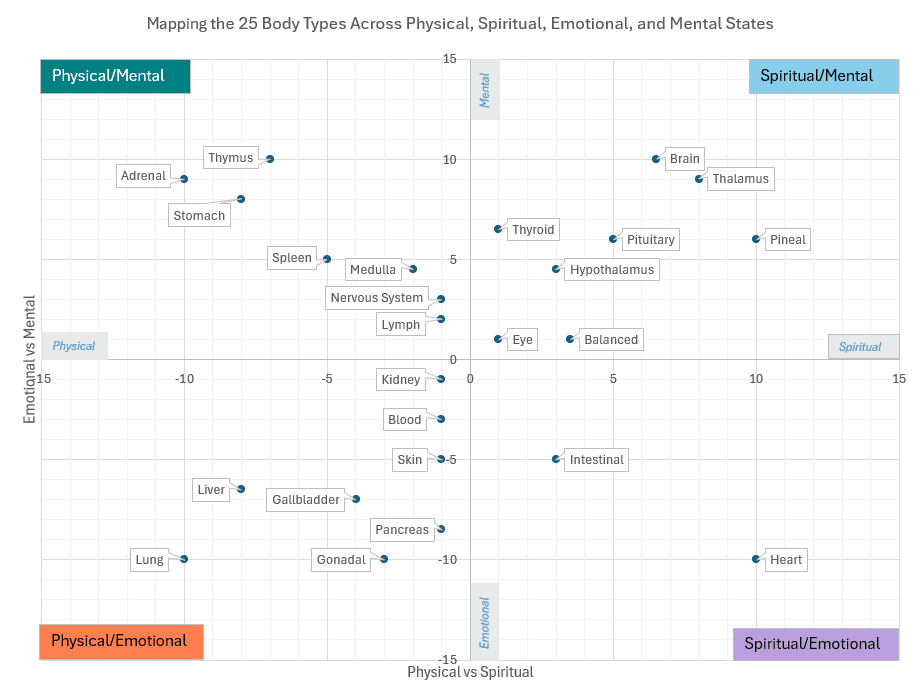
Body Types and Coordinates table { width: 100%; border-collapse: collapse; } th, td { border: 1px solid black; padding: 8px; text-align: left; } th { background-color: #f2f2f2; }
| No | Body Type | X-PhysicalNeg-SpiritualPos | Y-EmotionNeg-MentalPos |
|---|---|---|---|
| 1 | Adrenal | -10 | 9 |
| 2 | Balanced | 3.5 | 1 |
| 3 | Blood | -1 | -3 |
| 4 | Brain | 6.5 | 10 |
| 5 | Eye | 1 | 1 |
| 6 | Gallbladder | -4 | -7 |
| 7 | Gonadal | -3 | -10 |
| 8 | Heart | 10 | -10 |
| 9 | Hypothalamus | 3 | 4.5 |
| 10 | Intestinal | 3 | -5 |
| 11 | Kidney | -1 | -1 |
| 12 | Liver | -8 | -6.5 |
| 13 | Lung | -10 | -10 |
| 14 | Lymph | -1 | 2 |
| 15 | Medulla | -2 | 4.5 |
| 16 | Nervous System | -1 | 3 |
| 17 | Pancreas | -1 | -8.5 |
| 18 | Pineal | 10 | 6 |
| 19 | Pituitary | 5 | 6 |
| 20 | Skin | -1 | -5 |
| 21 | Spleen | -5 | 5 |
| 22 | Stomach | -8 | 8 |
| 23 | Thalamus | 8 | 9 |
| 24 | Thymus | -7 | 10 |
| 25 | Thyroid | 1 | 6.5 |
Top 3 Essential Oils for each Body Type
Traditional Chinese Medicine Essential Oil Matches by Body Type
- Adrenal Type
- Rosemary: strengthens Yang energy and vital force. Stimulates circulation, aiding in the recovery of adrenal exhaustion.
- Basil: supports adrenal function and reduces stress. Beneficial for adrenal fatigue.
- Frankincense: balances Qi and supports overall vitality
- Clove: warming and invigorating, helps in supporting adrenal function by stimulating energy.
- Balanced Type
- Lavender: promotes harmony and balance effects on both physical and emotional levels.
- Geranium: helps balance hormones, which can contribute to a more balanced state and equilibrium of body systems.
- Ylang Ylang: balances Yin and Yang
- Frankincense: promotes homeostasis and overall balance
- Blood Type
- Helichrysum: known for its blood-vitalizing properties, it promotes healthy blood circulation.
- Cypress: enhances circulation and strengthens blood vessels.
- Rose: nourishes blood and supports Heart Qi
- Yarrow: traditionally used for blood issues, including circulation and clotting.
- Ginger: warms and invigorates blood
- Frankincense: Enhances blood circulation, supports blood health
- Brain Type
- Frankincense: supports mental clarity, calms Shen and spiritual awareness.
- Peppermint: enhances alertness and concentration. Clears the mind and stimulates mental function.
- Rosemary: improves memory, mental alertness, and cognitive function.
- Basil: Stimulates brain function, aids concentration.
- Eye Type
- Fennel (brightens eyes and supports liver function)
- Cypress (improves circulation to eyes)
- Helichrysum (supports eye health through blood circulation)
- Frankincense is used for general eye health due to its soothing and anti-inflammatory effects.
- Chamomile, Roman: calming and soothing for eye strain.
- Lavender: helps with relaxation, which can benefit eye health indirectly by reducing stress.
- Gallbladder Type
- Lemon: supports gallbladder function by stimulating bile production.
- Rosemary: supports liver and gallbladder function, strengthens Wood element.
- Grapefruit: aids in fat metabolism.
- Peppermint: aids in digestion, particularly beneficial for gallbladder function.
- Gonadal Type
- Clary Sage: known for its hormone-regulating properties, balances hormones.
- Geranium (supports reproductive system)
- Rose (nurtures reproductive essence)
- Ylang Ylang: Balances hormones, particularly beneficial for reproductive health.
- Jasmine: Enhances libido and supports reproductive health
- Heart Type
- Ylang Ylang (calms and regulates Heart Qi)
- Lavender (soothes Heart and calms Shen)
- Melissa (supports emotional heart)
- Rose: Opens the heart chakra, emotionally and physically supportive
- Hypothalamus Type
- Frankincense: balances brain function and hormonal regulation.
- Vetiver (grounds and stabilizes)
- Lavender (supports regulatory functions)
- Rosemary: Stimulates the brain, which can affect hypothalamic function.
- Peppermint: Enhances mental clarity, potentially aiding hypothalamic control.
- Intestinal Type
- Peppermint harmonizes digestive Qi and soothes digestive spasms and discomfort.
- Ginger: warms the digestive system, enhances digestion, and reduces nausea.
- Fennel: supports healthy digestion and alleviates bloating.
- Kidney Type
- Juniper Berry: strengthens Kidney Yang, traditionally used for kidney support, urinary tract health, and growth of the male sex organ.
- Vetiver: grounding and detoxifying effects, and strengthens Kidney essence.
- Cedarwood: May support kidney health by aiding in detoxification
- Eucalyptus: supports Water element
- Liver Type
- Lemon: moves stagnant Liver Qi, enhances liver function and detoxification.
- Peppermint: smooths Liver Qi, helps in liver health by aiding digestion.
- Helichrysum: supports Liver function
- Rosemary: Supports liver detoxification.
- Turmeric: Liver detoxifying, supports liver function.
- Lung Type
- Eucalyptus: opens Lung Qi, Beneficial for respiratory health, clears congestion.
- Frankincense: deepens breath, soothes the respiratory tract,
- Peppermint (clears and opens airways)
- Lavender: Calms and supports lung health
- Lymph Type
- Grapefruit: stimulates and supports lymphatic movement and system.
- Cypress: improves circulation and promotes lymphatic drainage.
- Lemon: Detoxifies and supports lymphatic flow
- Lemongrass (promotes fluid balance)
- Medulla Type
- Frankincense (supports nervous system)
- Vetiver (grounds and calms)
- Lavender (balances autonomic functions)
- Peppermint: Enhances respiratory function, which indirectly supports the medulla.
- Eucalyptus: Stimulates the respiratory center in the medulla.
- Basil: Can influence neurological functions.
- Thyme: Stimulates and supports brainstem functions.
- Nervous System Type
- Lavender: calms nerves, soothes, and reduces stress.
- Chamomile Roman: peaceful relaxation and soothes the nervous system.
- Bergamot: relieves tension
- Ylang Ylang: Relaxes the nervous system and balances emotions.
- Marjoram: Calms nerves, supports nervous system health.
- Pancreas Type
- Cinnamon (supports blood sugar balance)
- Ginger (aids digestion)
- Fennel (harmonizes digestion)
- Coriander: Supports digestive health and insulin regulation.
- Juniper Berry: Aids in regulating blood sugar levels.
- Grapefruit: May assist in managing insulin resistance.
- Pineal Type
- Lavender: supports sleep-wake cycles, Helps in relaxation, which can positively affect pineal gland function.
- Frankincense: Supports spiritual awareness and pineal gland function.
- Vetiver (grounds and centers)
- Sandalwood: Enhances meditation, potentially supporting pineal activity.
- Helichrysum: Supports pineal gland function, known for its antioxidant properties.
- Pituitary Type
- Frankincense: master gland support, enhances endocrine function.
- Clary Sage: hormonal balance and support, known for its effects on hormones.
- Geranium (endocrine harmony)
- Myrrh: Supports hormonal balance.
- Skin Type
- Lavender: heals, soothes, and nurtures skin conditions.
- Myrrh (promotes healthy skin)
- Tea Tree (purifies and cleanses)
- Frankincense: Anti-aging and healing properties for skin.
- Helichrysum: Excellent for skin regeneration and reducing scars
- Spleen Type
- Ginger: strengthens Spleen Yang, digestion and energy production
- Peppermint (harmonizes digestion)
- Orange (uplifts Spleen Qi)
- Cinnamon (Cassia): Warms and tonifies the spleen.
- Cardamom: Helps with spleen-related digestive issues
- Stomach Type
- Peppermint: regulates Stomach Qi, relieves stomach discomfort.
- Ginger: warms digestion, soothes stomach upset and aids digestion.
- Fennel: helps with stomach cramps and bloating, harmonizes digestion.
- Thalamus Type
- Lavender: balances sensory processing, calms sensory overload.
- Frankincense (supports brain function)
- Vetiver (grounds and centers)
- Rosemary: Stimulates brain function, which can affect thalamic activity.
- Peppermint: Enhances sensory processing.
- Spearmint: Stimulates brain activity, supports sensory processing
- Thymus Type
- Tea Tree: enhances immune response and support.
- Frankincense: supports immune function and health.
- Eucalyptus (strengthens Wei Qi)
- Lemon: Supports immune function, linked to thymus health.
- Tangerine: Supports immune function, which is linked to thymus health.
- Thyroid Type
- Myrrh: supports thyroid function, known for balancing thyroid hormones.
- Lemongrass: balances metabolism, support thyroid function through its energizing properties.
- Peppermint (supports energy)
- Frankincense: May aid in regulating thyroid activity
Essential Oils and Primary Body Type
**
Arborvitae**: Not commonly used in TCM, but could be associated with Kidney for its grounding properties.
Basil: Brain - Stimulates brain function, improves focus and memory.
Bergamot: Balanced - Promotes relaxation and balance.
Birch: Adrenal - Supports energy and stress management.
Cardamom: Spleen - Enhances digestion, supports spleen function.
Cedarwood: Kidney - Supports kidney function, grounding and calming.
Celery Seed: Liver - Supports liver detoxification.
Chamomile, Roman: Stomach - Calms digestive issues.
Cilantro: Intestinal - Supports digestive health, detoxifies.
Cinnamon (Cassia): Pancreas - Regulates blood sugar, supports pancreatic function.
Citronella: Lymph - Known for its cleansing properties.
Clary Sage: Gonadal - Balances hormonal functions, beneficial for reproductive health.
Clove: Lung - Warming, supports respiratory health.
Copaiba: Skin - Soothing and healing for skin conditions.
Cypress: Lymph - Supports lymphatic drainage.
Eucalyptus: Lung - Clears respiratory pathways.
Eucalyptus, Lemon: Lung - Similar to eucalyptus but with a different aromatic profile.
Fennel: Eye - Known for its benefits to eye health.
Fir, White: Lung - Supports respiratory health, calming.
Frankincense: Blood - Enhances circulation and blood health.
Geranium: Pituitary - Balances hormones, supports pituitary function.
Ginger: Intestinal - Supports digestive health.
Grapefruit: Liver - Detoxifying, supports liver health.
Helichrysum: Pineal - Supports pineal gland function.
Jasmine: Heart - Calms the heart, promotes emotional well-being.
Juniper Berry: Kidney - Supports kidney function, diuretic.
Lavender: Balanced - Promotes overall balance and calmness.
Lemon: Gallbladder - Supports bile production.
Lemongrass: Thyroid - Helps with metabolic balance.
Lime: Balanced - Refreshing and balancing.
Mandarin, Green or Red: Thymus - Supports immune function.
Marjoram: Nervous System - Calms nerves.
Melaleuca (Tea Tree): Skin - Known for its antibacterial properties.
Melissa: Heart - Calms the heart, reduces stress.
Myrrh: Skin - Healing for skin conditions.
Orange, Wild: Stomach - Soothes digestive system.
Oregano: Lung - Strong antiseptic for respiratory health.
Patchouli: Skin - Grounding, supports skin health.
Pepper, Pink and Black: Stomach - Stimulates digestion.
Peppermint: Hypothalamus/Stomach - Stimulates hypothalamus for hormone regulation, aids digestion.
Petitgrain: Nervous System - Calming, reduces anxiety.
Rose: Heart - Calms emotions, supports heart health.
Rosemary: Adrenal - Helps with stress and fatigue.
Sandalwood: Medulla - Grounding, supports brainstem function.
Spearmint: Thalamus - Stimulates brain activity.
Spikenard: Heart - Calming, grounding.
Tangerine: Thymus - Supports immune function.
Tansy, blue: Skin - Anti-inflammatory, supports skin health.
Thyme: Medulla - Stimulates and supports brainstem functions.
Turmeric: Liver - Liver detoxifying.
Vetiver: Kidney - Grounding, supports kidney function.
Wintergreen: Adrenal - Stimulating, supports energy levels.
Yarrow: Blood - Helps with blood circulation, healing.
Ylang Ylang: Heart - Calming, supports emotional well-being.
Essential Oils for Emotions
Once you have determined whether your dominant sense is mental or emotional, you can see how it is expressed. Is your mind too rigid or controlling, dominating your other senses? If so, the Young Living Peace & Calming essential oil blend can help relax your mind. You may also want to use the Joy essential oil blend to enhance and support your emotions.
Are you too emotional? Sandalwood essential oil helps to calm overactive emotions. The Clarity essential oil blend helps to support the mind and bring about mental clarity.
The better you understand the various aspects of yourself, the easier it is to accept yourself, develop, and integrate your other traits (physical, emotional, mental or spiritual). Knowing your body type (e.g., Aderenal, Balanced, Blood, etc) and reading your psychological profile will provide more insights. The body type profile by Carolyn Mein is designed to provide a concise, practical guide to understanding your basic traits, motivations, and the best ways to express your strengths. Determining your two dominant traits will allow you to determine your body type and the related core emotional issues.
The four traits - physical, emotional, mental and spiritual - represent our four bodies. Imbalance in any area is the result of energy being too high (overactive, hyper) or too low (underactive, exhausted, or depleted). Harmony is a state of balance. Balance can be achieved by determining which system is out of balanced or stressed and whether it is over or underactive.
The following essential oils have generally been found to be highly effective. You’ll want to select the essential oil that will balance the area that needs the most attention.
Physical
Valor - enhances physical strength
- Black Spruce
- Blue Tansy
- Frankincense
- Carrier Oil - Almond
Immupower - supporting the immune system
- Hyssop
- Mountain Savory
- Cistus
- Camphor
- Frankincense
- Oregano
- Clove
- Cumin
- Dorado Azul
Emotional
Release Blend
Harmony Blend
Joy Blend from Young Living - helps to change depression into a positive state. Apply to the Thymus gland.
- 2 Bergamot
- 2 Ylang Ylang
- 1 Geranium
- 1 Lemon
- 1 Mandarin
- 1 Tangerine
- 0.1 Jasmine
- X Palmarosa (questionable benefit)
- X Rose (questionable benefit)
Daily Joy Blend for Intestinal Body Types from Barefoot Betters
Apply a few drops of this joyful blend over the Thymus gland, just below the collarbone (clavicle).
- 10 parts - Bergamot
- 10 parts - Ylang Ylang
- 5 parts - Geranium
- 5 parts - Lemon
- 5 parts - Mandarin
- 5 parts - Tangerine
- 1 parts - Jasmine (costly essential oil)
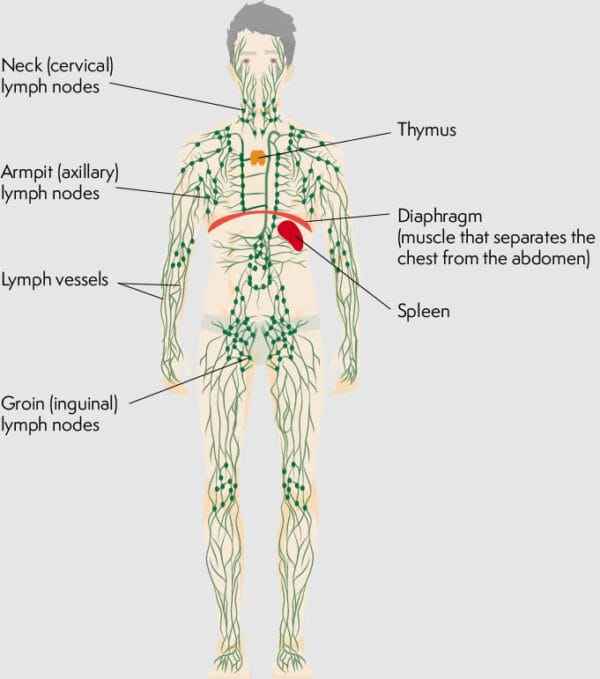
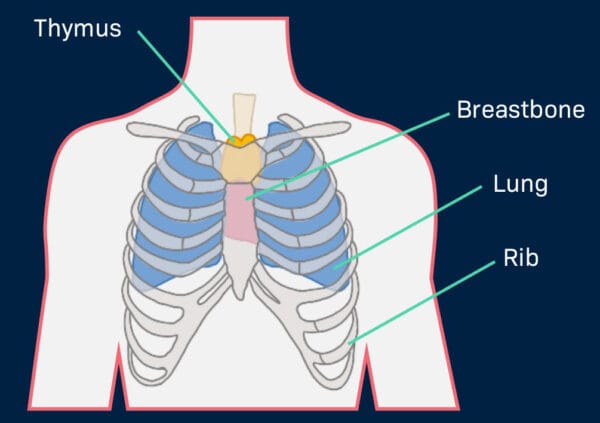
Location Thymus Gland
The thymus gland is located in the upper chest, specifically in the mediastinum (the central compartment of the chest cavity), just behind the sternum (breastbone) and in front of the heart. It sits between the lungs and extends upward to the lower part of the neck.
More precisely, the thymus is positioned:
- Directly behind the sternum (breastbone)
- In front of the pericardium (the sac surrounding the heart)
- Typically extending from just below the collarbone (clavicle) down to approximately the level of the bottom of the sternum.
In relation to the skeletal structure, it’s closely associated with the sternum. It lies anterior (in front of) to major blood vessels and the heart but posterior (behind) to the manubrium (the upper part of the sternum). The thymus is positioned in the superior (upper) and anterior (front) mediastinum, nestled in the space between the two lungs.
It’s worth noting that the thymus is most prominent during childhood and early adolescence, gradually shrinking and becoming less active as a person ages, being largely replaced by fatty tissue in adulthood. During childhood, it plays a crucial role in developing the immune system by producing and maturing T-lymphocytes (T-cells).
Sandalwood - helps when emotions are overactive.
SARA - helps to clear emotional trauma
- Ylang Ylang
- Geranium
- Lavender
- Orange
- Blue Tansy
- Cedarwood
- Rose
- White Lotus
- Carrier oil - Almond
Mental
Clarity - helps lack of mental clarity or the brain is underactive
- Basil
- Cardamom
- Rosemary
- Peppermint
- Rosewood
- Geranium
- Lemon
- Jasmine
- Roman Chamomile
- Bergamot
- Ylang Ylang
- Palmarosa
Peace & Calming - helps when mental aspects become overactive
- Tangerine
- Orange
- Ylang Ylang
- Patchouli
- Blue Tansy
Spiritual
Frankincense - stimulates and elevates the mind
Rose - increase spiritual focus
White Angelica - spiritual protection
- Bergamot
- Geranium
- Myrrh
- Sandalwood
- Rosewood
- Ylang Ylang
- Spruce
- Hyssop
- Melissa
- Rose
- Carrier oils
- Almond Oil
- Camphor Wood
- Geranium
Awaken - balances mental states and awakens inner knowing
- Joy Essential Blend
- 2 Bergamot
- 2 Ylang Ylang
- 1 Geranium
- x Rosewood
- 1 Tangerine
- 1 Lemon
- 1 Mandarin
- 0.1 Jasmine
- Roman Chamomile
- x Palmarosa
- Forgiveness Essential Blend
- Geranium
- Rosewood
- Melissa
- Lemon
- Frankincense
- Jasmine
- Roman Chamomile
- Bergamot
- Ylang Ylang
- Palmarosa
- Sandalwood
- Angelica
- Lavender
- Helichrysum
- Rose
- Carrier oil - Sesame Seed oil
- Present Time Essential Blend
- Neroli
- Spruce
- Ylang Ylang
- Carrier oil - Almond
- Dream Catcher Essential Blend
- Sandalwood
- Tangerine
- Ylang Ylang
- Black Pepper
- Bergamot
- Juniper
- Anisum
- Blue Tansy
- Harmony Essential Blend
- Lavender
- Sandalwood
- Ylang Ylang
- Frankincense
- Orange
- Angelica
- Geranium
- Spruce
- Hyssop
- Sage
- Lavender
- Rosewood
- Jasmine
- Roman Chamomile
- Bergamot
- Palmarosa
- Rose
- Carrier oil - Almond oil
3 Wise Men - promotes grounding and releases deep-seated trauma
- Sandalwood
- Juniper
- Frankincense
- Black Spruce
- Myrrh
- Carrier oil - Almond oil