

The Ideal Way to Break a 24‑Hour Dry Fast
Honoring digestion, hydration, and metabolic reset
If you’ve followed my 90‑Day Blood Type O Intestinal Body Type Diet Journal, you already know that how you break a fast matters just as much as how long you fast. After a 24‑hour fast from both food and water, the body is primed for deep absorption—but also vulnerable to digestive overload if refeeding is rushed.
Both Dr. Jason Fung and Dr. Eric Berg emphasize a core principle:
Breaking a fast should be gentle, deliberate, and supportive of digestion—not shocking to the system.
This post outlines the exact protocol I use to transition safely and intentionally from a 24‑hour dry fast back into nourishment.
Why You Shouldn’t Eat Immediately After a Dry Fast
Dr. Jason Fung teaches that fasting lowers insulin and gives the digestive system a break, but he also stresses that rehydration and electrolyte balance come first before food is reintroduced. [prolonlife.com], [youtube.com]
Dr. Eric Berg echoes this, noting that after longer fasts, the digestive system is essentially “asleep” and needs time to wake up. Jumping straight into a meal—especially protein or carbohydrates—can lead to bloating, nausea, diarrhea, or blood sugar spikes. [youtube.com]
That’s why I use a 30‑minute pre‑meal reset window.
My 30‑Minute Fast‑Breaking Formula (Before Food)
Thirty minutes before your first meal, drink the following:
Fast-Breaking Digestive Reset Water
Ingredients
Tried this recipe?
Let us know how it was!✅ 1 quart (32 oz) of water
Rehydration comes first. Dr. Fung emphasizes restoring fluids before calories, especially after longer fasts. [prolonlife.com]
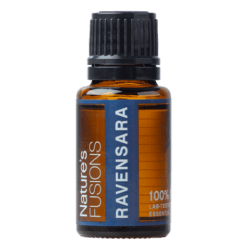
✅ 1 drop food‑grade peppermint essential oil
Peppermint supports gastric motility and digestive signaling, but only food‑grade or supplement‑labeled oils are appropriate for internal use. Undiluted or aromatherapy‑grade oils should never be ingested due to toxicity risk. [biologyinsights.com], [nutri.it.com]
⚠️ If you’re unsure whether your oil is certified for ingestion, skip this ingredient or use peppermint tea instead.
✅ 1 tablespoon apple cider vinegar (ACV)
Dr. Berg specifically recommends ACV when breaking a fast to help stimulate stomach acid and support protein digestion. [youtube.com], [youtube.com]
✅ 2 teaspoons bromelain powder
✅ 1 teaspoon papain powder
Bromelain (from pineapple) and papain (from papaya) are proteolytic enzymes that help break down protein and reduce digestive stress. Dr. Berg recommends enzymes when refeeding after prolonged fasting, particularly before the first meal. Research shows these enzymes can ease bloating and improve nutrient breakdown when digestion is sluggish. [youtube.com] casadesante.com – Unlock Easier Digestion: The Secret Power of Bromelain and Papain for Beating Protein Bloat, [goodrx.com]
Why This Works for Intestinal Body Types
For Intestinal‑dominant body types, digestion is deeply tied to emotional and nervous system regulation. This protocol:
- Rehydrates without shocking the gut
- Signals the stomach to resume acid production
- Supports enzymatic digestion before food arrives
- Reduces the likelihood of bloating, cramping, or loose stools
This aligns with Barefoot Betters’ core philosophy: prepare the body to receive before asking it to process.
What to Eat After the 30 Minutes
After the 30‑minute window, follow Dr. Fung and Dr. Berg’s shared guidance:
- Start with small portions
- Prioritize easy‑to‑digest protein
- Avoid sugar and refined carbohydrates initially
- Eat slowly and mindfully
Dr. Berg recommends cooked vegetables, broth, eggs, fish, or light protein first, especially after fasts longer than 24 hours. Dr. Fung similarly advises breaking fasts gently to preserve metabolic benefits and avoid refeeding stress. Digestive Issues When Breaking a Fast? by Dr. Eric Berg DC and How to Break a Fast | Jason Fung
When in doubt, simplify: water first, food later.
Final Thoughts
Fasting isn’t about deprivation—it’s about resetting. Breaking a fast well is an act of respect for the body’s intelligence. For me, this 30‑minute protocol creates a calm, grounded transition from fasting to nourishment—especially as an Intestinal body type.
If you’re experimenting with fasting, let this be your reminder:
The fast doesn’t end when you eat. It ends when your body feels safe again.
References

- Hero image of Moses Fasting, see Answered Faith
- “And [Moses] was there with the Lord forty days and forty nights; he did neither eat bread, nor drink water. And he wrote upon the tables the words of the covenant, the ten commandments.” (Exodus 34:28)
- “And the angel of the Lord came again the second time, and touched [Elijah], and said, Arise and eat; because the journey is too great for thee. And he arose, and did eat and drink, and went in the strength of that meat forty days and forty nights unto Horeb the mount of God.” (1 Kings 19:7-8)
- “Go, gather together all the Jews that are present in Shushan, and fast ye for me [Esther], and neither eat nor drink three days, night or day: I also and my maidens will fast likewise; and so will I go in unto the king, which is not according to the law: and if I perish, I perish.” (Esther 4:16)
- “And when he [Jesus] had fasted forty days and forty nights, he was afterward an hungred.” (Matt 4:2 and Luke 4:2)
- “And when he had fasted forty days and forty nights and had communed with God, he was afterwards an hungered, and was left to be tempted of the devil.” (JST Matt 4:2)
- Joe Rogan Experience Podcast – Kevin James on Cheat Days and Losing 60lbs After Fasting for 41 Days
- “That which we persist in doing becomes easier for us to do; not that the nature of the thing itself is changed, but that our power to do is increased.” (Ralph Waldo Emerson)
- “Some thrill seekers seem to be trying to satisfy an internal emptiness through the external gratification of alcohol, drugs, and illicit sexual relations. To ease their consciences, some vainly wait for the Church to ‘get modern,’ to ‘wake up,’ or to ‘get with the times.’ That internal emptiness can be filled only by making our relationship with ‘God the center of our being.'” (Acting for Ourselves and Not Being Acted Upon by President James E. Faust)
- “…what is required is not to die for the Church but to live for it. For many, living a Christlike life every day may be even more difficult than laying down one’s life. I learned during a time of war that many men were capable of great acts of selflessness, heroism, and nobility without regard to life. But when the war was over and they came home, they could not bear up under the ordinary daily burdens of living and became enslaved by tobacco, alcohol, drugs, and debauchery, which in the end caused them to forfeit their lives.” (Discipleship by President James E. Faust)


0 Comments