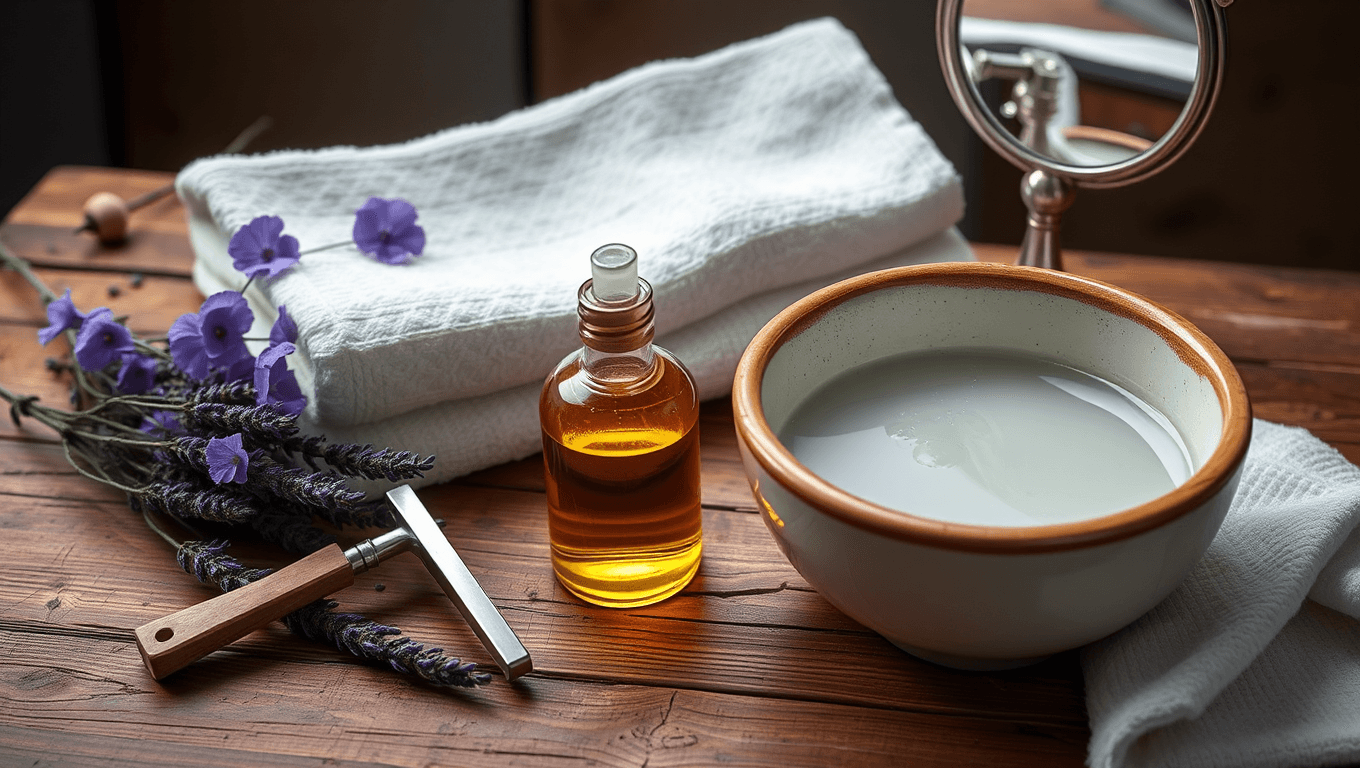
Bare After-Shave Oil soothes and moisturizes post-shave skin with a blend of cedarwood, tea tree, and lavender essential oils, helping to reduce irritation and promote healing. Its uses extra virgin olive oil (EVOO) as a base, leaving skin soft and refreshed with a grounding, woody-floral scent.
For skin tags and warts, recommend applying a drop of povidone iodine (active ingredient Betadine) and a drop of garlic juice. May stain the skin or cause allergic reactions in some individuals.
Facial Benefits of Olive Oil
Olive oil acts as a natural moisturizer for the face, helping to lock in hydration, soften dry skin, and improve the skin barrier function to prevent water loss. Rich in antioxidants like vitamins A, D, E, and K, as well as phenolic compounds, olive oil combats free radicals, reduces signs of aging such as wrinkles, and promotes skin regeneration for a more youthful appearance. Its anti-inflammatory and antibacterial properties help soothe irritation, heal minor wounds or razor burns, and may even reduce acne by fighting bacteria while balancing the skin’s natural oils.
Facial Benefits of Witch Hazel
Witch hazel extract functions as a natural astringent for the face, helping to tighten pores, tone the skin, and control excess oil production for a more balanced and refined complexion. Its anti-inflammatory and soothing properties reduce redness, irritation, and inflammation on facial skin, making it effective for calming conditions like acne, eczema, or razor burn. As an antioxidant-rich ingredient, witch hazel extract combats free radicals, supports skin barrier function, and may help minimize signs of aging such as fine lines and wrinkles on the face.
Phototoxicity - Discoloration of Skin Exposed to Sunlight
Cold-pressed lemon can cause phototoxicity due to compounds like furanocoumarins that react with UV light, potentially leading to skin irritation, redness, blistering, or discoloration when applied topically and exposed to sunlight. Steam-distilled lemon oil, however, is generally non-phototoxic as the distillation process removes these compounds. Geranium and ylang ylang essential oils do not cause phototoxicity as they lack furanocoumarins. Essential oils more prone to causing phototoxicity primarily include cold-pressed citrus oils (e.g., bergamot, grapefruit, lemon, lime, and bitter orange) due to high furanocoumarin content, along with some non-citrus oils like angelica root, cumin, ginger, lemon verbena, rue, tagetes, and verbena absolute; reactions can be mitigated by proper dilution (e.g., bergamot at ≤0.4%, grapefruit at ≤4%), avoiding UV exposure for 12–18 hours post-application, or using steam-distilled versions where available.
Bare After Shave Oil
Bare After-Shave Oil
A soothing DIY after-shave oil—extra-virgin olive oil and witch hazel with cedarwood, tea tree, and lavender essential oils for a grounding, woody-floral finish.
Ingredients
Equipment
- Small glass bottle (~40 mL) with cap
Method
- In a small glass bottle (about 40 mL), combine the olive oil, witch hazel extract, and vitamin E oil.
- Add all the essential oils: cedarwood, tea tree, peppermint, ylang ylang, lavender, and palmarosa.
- Cap and shake well to blend. To use, warm a few drops in your palms and smooth over damp skin right after shaving.
Notes
- Patch-test first—essential oils can irritate sensitive skin.
- See the notes above on olive oil, witch hazel, and essential-oil phototoxicity (cold-pressed citrus oils in particular).