Your liver doesn’t ask for much. It filters everything you eat, drink, and breathe; it sorts nutrients from waste; it helps balance your hormones and your blood sugar — quietly, around the clock. Most of us never think about it until something feels off.
And modern life asks a lot of it. We’re carrying a heavier load than our grandparents did: processed food, alcohol, medications, and a steady drip of chemicals from packaging, cleaners, and air. When the liver gets behind, you tend to feel it before any lab does.
Supporting the liver usually means also supporting the gut, because the two talk constantly through the gut-liver axis — more on that, and the two simple things I take in the evening, further down.
Signs your liver might be carrying too much
You don’t need a diagnosis to recognize the pattern. The classic signs of an overworked liver — the kind aromatherapy and natural-health references have pointed to for decades — read like a list of everyday complaints:
- Sluggish mornings and a slow metabolism
- Foggy focus and irritability — moods that swing
- Poor or uncomfortable digestion, gas, bloating
- Trouble losing weight no matter what you try (including stubborn belly fat)
- Skin that’s broken out or dull
- Frequent headaches
Sound familiar? None of these prove anything on their own. But together they often point to a system that could use a little support — and a little support is exactly the kind of thing you can do at home. Several of these also overlap with the insulin-resistance and fatty-liver patterns that tend to improve when diet, movement, sleep, and gut health get attention together.
The daily liver support checklist
The short version, if you want to screenshot one thing and go:
- Finish eating at least 3 hours before bed
- Take a short walk after dinner
- Apply Liver Support Body Oil over the liver area
- Take a tablespoon of Liver Breaker herbal formula in water
- Drink 5 g L-glutamine in water 30–60 minutes before bed
- Take psyllium husk earlier in the day, with plenty of water
- Sleep 7–9 hours
- Whole foods, less sugar, daily movement — the boring part that works
The rest of this post is the why behind each line.
Why the liver works the night shift
If you’ve spent any time around traditional Chinese medicine, you’ve met the body clock: the idea that each organ has a window when it’s most active. The liver’s window is 1:00–3:00 a.m. — the deep middle of the night, when your body does its quiet repair work.
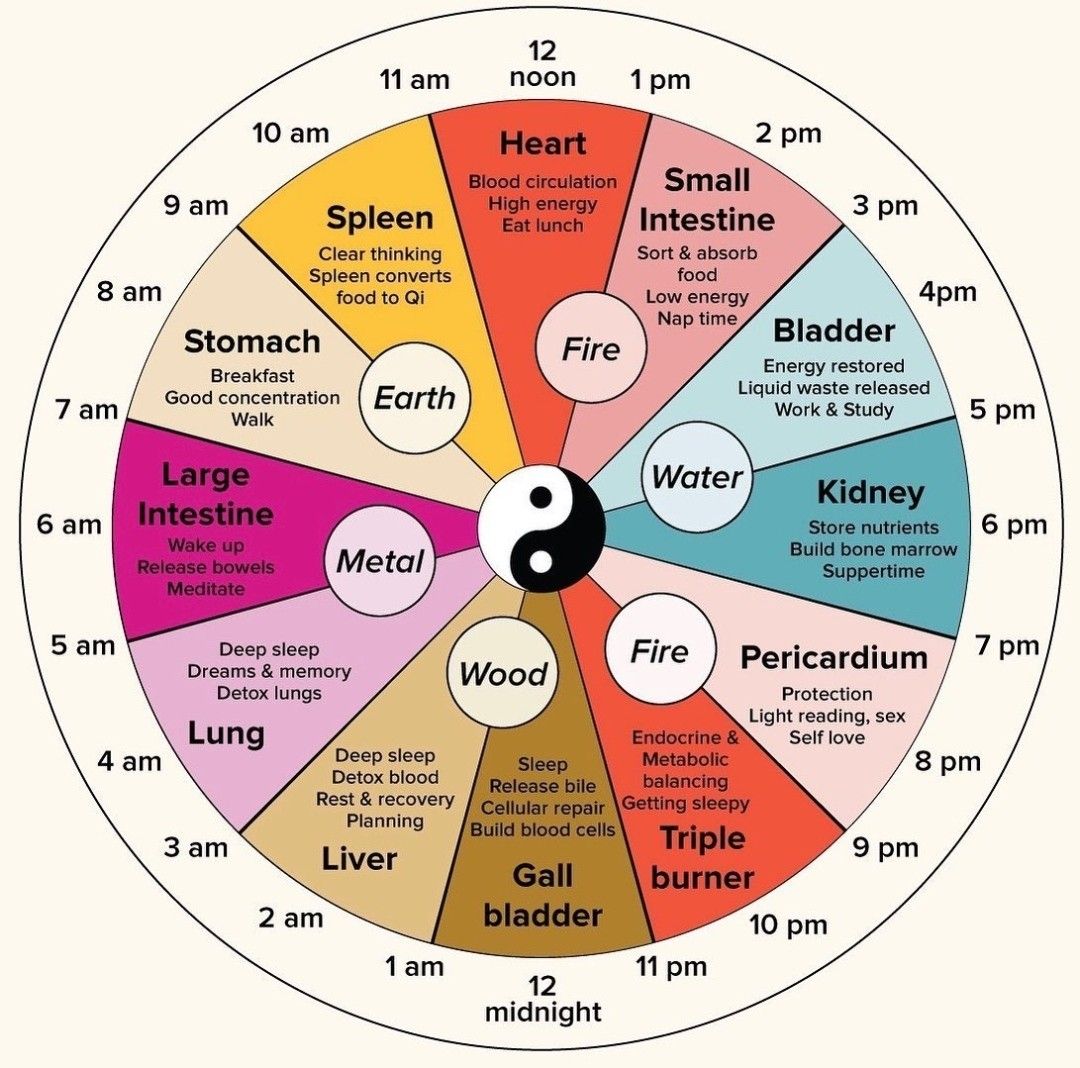
You don’t have to take the body clock literally to take the hint from it: the liver does its hardest work while you rest, so the most natural time to support it is in the evening, before bed. That timing is the whole reason a simple bedtime body-oil ritual makes so much sense.
The ritual: a Liver Support Body Oil
Here’s the tool: a warm, pleasant body oil you massage over your liver before bed. The act of slowing down, warming the oil in your hands, and spending two minutes on yourself is half the point.
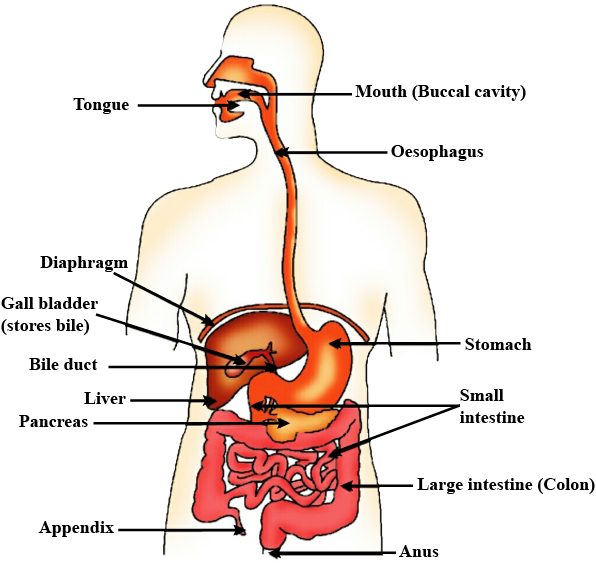
That’s your target: the right side, just under the rib cage. Worth noting how much else is in the frame — the gallbladder, the bile duct, and the whole run of intestine below. The liver isn’t off doing its own thing; it’s plumbed directly into all of it, which is exactly why the gut support further down belongs in a post about liver care.
The blend is sesame seed oil carrying six essential oils that have earned their place in liver and lymphatic blends for generations: fennel, geranium, rosemary, Roman chamomile, blue tansy, and helichrysum. If that combination looks familiar to essential-oil folks, it should — it’s the same six-oil family found in Young Living’s JuvaFlex, a blend made for liver and lymphatic support. This is our barefoot, make-it-yourself take on that classic.
Sesame is the carrier for a reason: it’s a warming, deeply absorbing oil with a long history in Ayurvedic self-massage (abhyanga). It carries the essential oils into the skin and feels grounding going on.
What’s in it, and why
| Oil | Why it’s in a liver blend |
|---|---|
| Fennel | Warming and carminative; the traditional “digestive and lymphatic” note |
| Geranium | Balancing; a classic skin-and-liver tonic that rounds out the aroma |
| Rosemary | Bright and stimulating; long tied to circulation and the liver |
| Roman chamomile | Calming and soothing — small but mighty, it gentles the whole blend |
| Blue tansy | Deep-blue, anti-inflammatory, and beautifully soothing on skin |
| Helichrysum | The prized “everlasting” oil — regenerative, and the star of the blend |
The compounds behind the smell
Aroma isn’t decoration — it’s chemistry you can smell. Each of these oils leads with particular aromatic compounds, and those compounds are why the blend smells the way it does and why these six keep turning up together in liver and lymphatic formulas:
| Oil | Leads with |
|---|---|
| Fennel | Anethole — the sweet, licorice note |
| Rosemary | 1,8-cineole and camphor — the sharp, clearing top |
| Geranium | Citronellol and geraniol — rosy and green |
| Roman chamomile | Esters like isobutyl angelate — soft, apple-like, calming |
| Helichrysum | Italidiones — honeyed and faintly bitter |
| Blue tansy | Chamazulene — and it’s what makes the oil blue |
Blue tansy is the fun one: chamazulene isn’t present in the living plant at all. It forms during steam distillation, which is why the flower is yellow and the oil is deep blue. The colour is evidence the distillation happened, not a dye.
Together they land warm, herbaceous, and a little sweet — the reason this is pleasant to put on at bedtime rather than something you tolerate.
Make it yourself
This is the exact batch I last mixed — about 43 g of finished oil (it fills a 2 oz bottle most of the way), at roughly a 3% essential-oil dilution, gentle enough for daily use. I measure by weight on a cheap 0.01 g kitchen scale — once you’re past a couple of oils it’s faster and more repeatable than counting drops — but the drop counts are listed too.
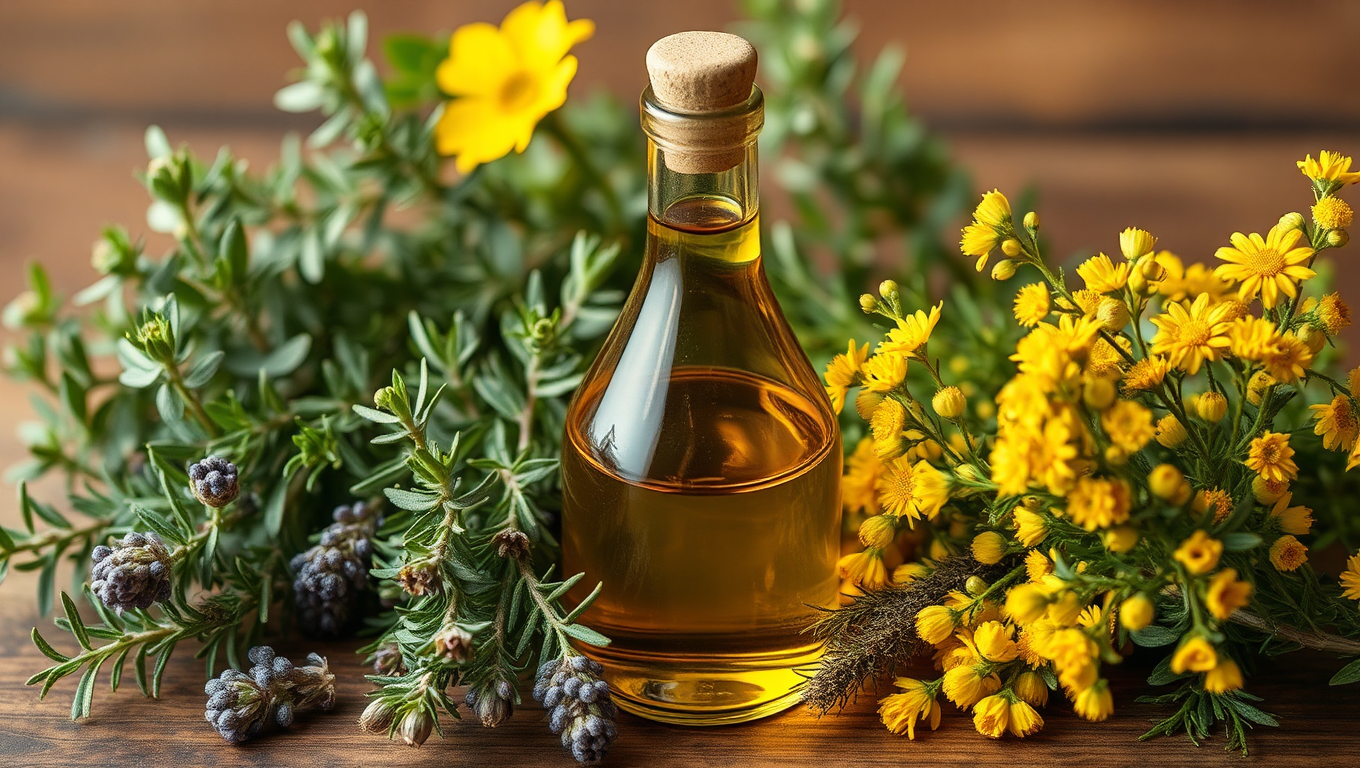
Liver Support Body Oil
A warming DIY body oil for an evening liver ritual—organic sesame oil carrying six essential oils (fennel, geranium, rosemary, Roman chamomile, blue tansy, helichrysum) at roughly 3% dilution.
Ingredients
Equipment
- Clean 2 oz amber or cobalt glass bottle
- Small digital scale (0.01 g) — optional but handy
Method
- Add the essential oils to the bottle first—by drops or by weight—including the 2 g of blue tansy blend.
- Add the 40 g of sesame oil, cap, and roll it gently between your palms to combine (don’t shake hard).
- Label it with the name and the date.
- Optional: add a few drops of vitamin E to help it keep. Stored cool and dark, it’s good for about a year.
Notes
- Makes about 43 g of finished oil (fills a 2 oz bottle most of the way) at roughly 3% dilution—gentle enough for daily use.
- To use: warm 2–4 drops in your palms and massage over the liver (right side, under the rib cage) in slow, clockwise circles before bed.
- Want it stronger and more targeted? Cut the sesame oil roughly in half for a more concentrated oil you apply a few drops at a time.
- Skip during pregnancy or with a history of seizures (the fennel and rosemary); patch-test first. No citrus, so no sun sensitivity.
What this oil is, and what it isn’t
Worth being plain about, because the internet is not:
What it is. A pleasant topical oil and a two-minute evening ritual, built from ingredients with long histories of traditional use in aromatherapy, herbalism, and Ayurvedic self-massage. It smells good, it feels good going on, and it gives you a reason to stop and take care of yourself before bed. That is a real benefit and it’s enough.
What it isn’t. It is not a treatment. It is not intended to diagnose, treat, cure, or prevent any disease, and it cannot detoxify an organ — your liver does that itself, competently, whether or not you rub anything on your ribs. Nothing applied to skin substitutes for medical care, and if something feels genuinely wrong, that’s a conversation with a doctor, not an oil.
The honest case for it is the one above: it supports a calm evening, and calm evenings are worth having.
How to use it
Best in the evening, before bed — ahead of your liver’s 1–3 a.m. window.
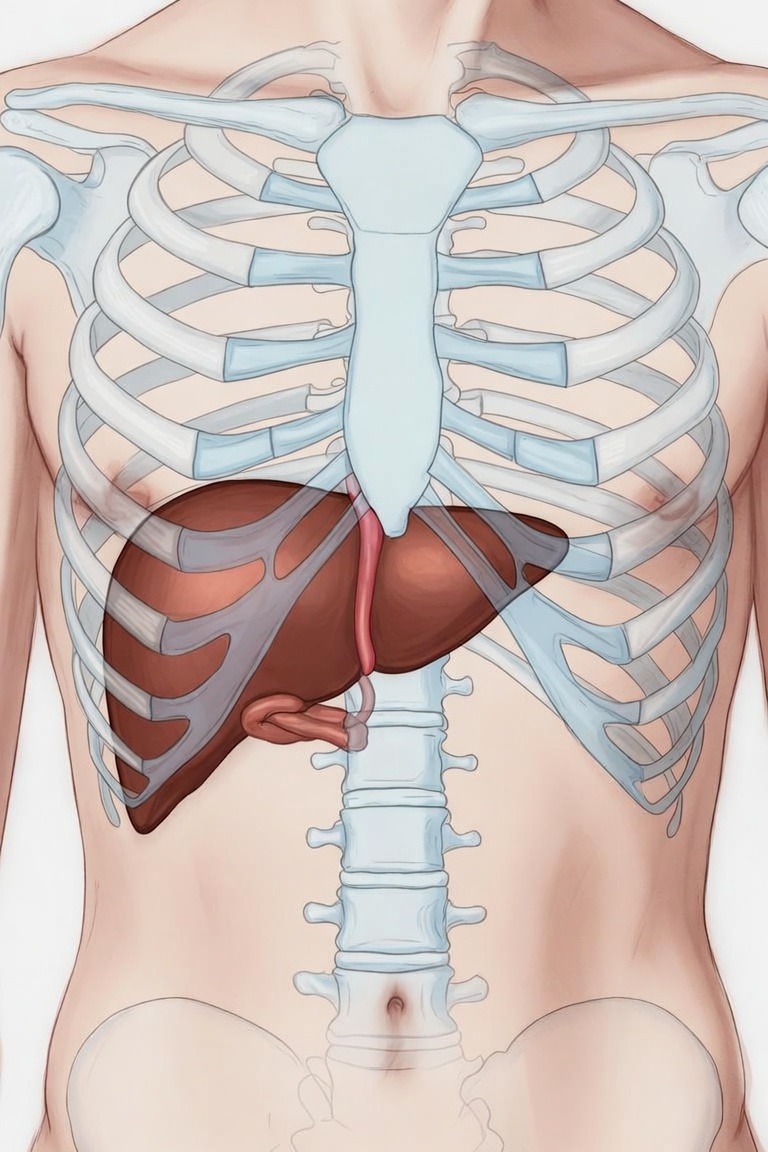
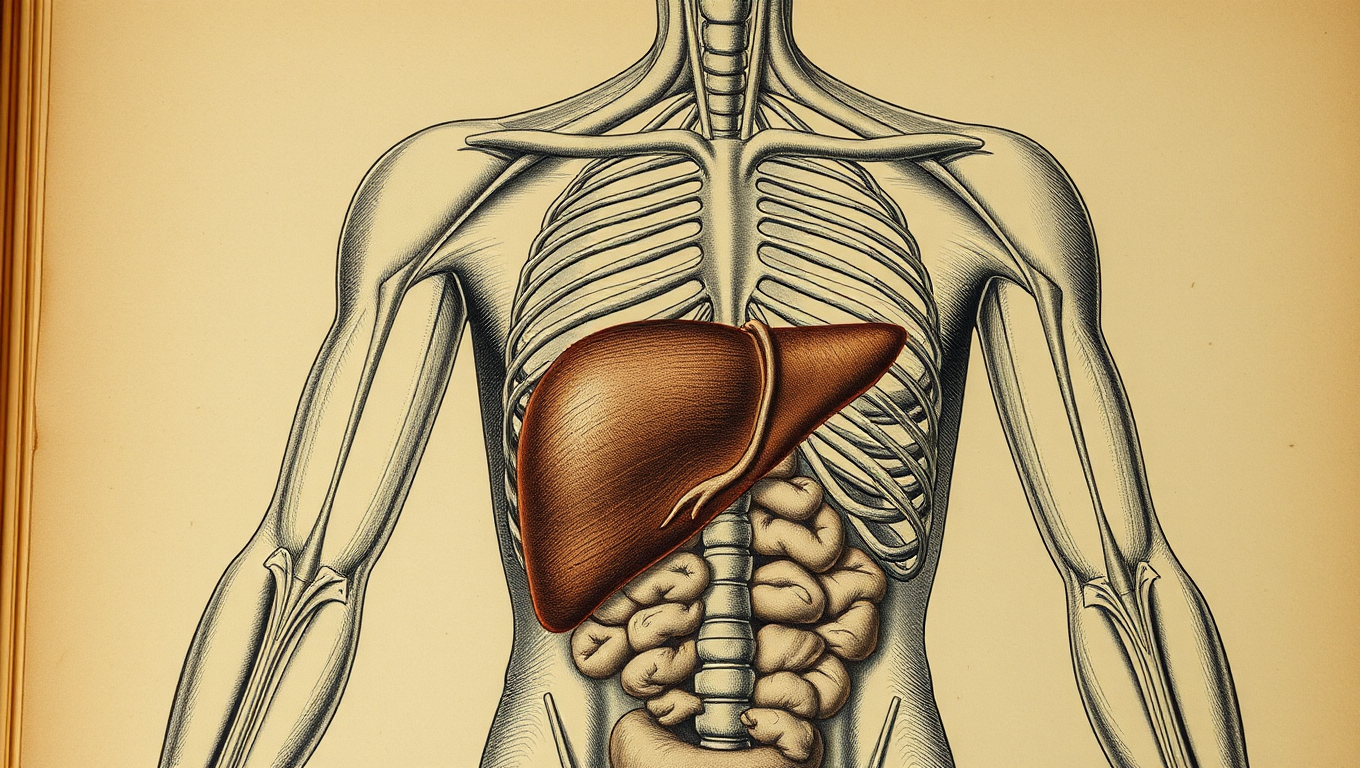
Most of the liver sits behind the lower ribs on your right side, with only the bottom edge reaching below them. You’re not trying to press on the organ itself — you’re working the skin and tissue over that whole area, from the bottom of the rib cage up onto the ribs themselves.
- Warm a small amount in your palms.
- Massage 2–4 drops over your liver — the right side, just under your rib cage — using slow, clockwise circles.
- For a fuller ritual, massage a few drops into the soles of your feet and along your spine — both are classic reflex areas.
- Finish with a warm cloth over your middle for a minute or two — the heat helps the oil absorb and feels wonderful.
Add a lymphatic minute (optional). Because this blend leans toward lymphatic support too, it pairs naturally with light gua sha or simple downward strokes along the neck and collarbone to encourage drainage. A smooth stone and a few extra drops of oil are all you need.
Support the gut to support the liver
The liver and the digestive tract are wired together through the gut-liver axis. Nutrients — and everything else — travel from the intestines straight to the liver by way of the portal vein. When digestion is struggling or the gut barrier is irritated — or the microbial mix down there is out of balance — more inflammatory compounds and metabolic waste show up at the liver’s door. Nothing gets a second opinion first; the liver is the first stop for all of it. So the two things I take in the evening aren’t liver supplements at all. They’re gut support, which is the same thing from the other end.
L-glutamine before bed
L-glutamine is an amino acid that serves as a primary fuel source for the cells lining the digestive tract. Many people use it to support gut integrity and digestive comfort, especially through stretches of physical or mental stress.
Why people reach for it:
- Fuel for the cells that line the intestinal tract
- May help support a healthy gut barrier
- Often used to support recovery after physical or mental stress
- Some people find it quiets late-night sugar cravings and snacking
The routine:
- Mix 5 grams of L-glutamine powder into a glass of water — room temperature or slightly warm.
- Drink it 30 to 60 minutes before bed.
- Don’t eat afterward. The point is to let the digestive system rest overnight while the liver does its 1–3 a.m. work.
Look for pure L-glutamine powder without unnecessary additives — this is a category where the cheap stuff is often mostly filler.
An honest word on the “30¢ hospital miracle” version
You’ll see this powder sold hard online — one popular pitch is the Gut Feelings (Peggy Schirmer) video, “Hospitals Give This to Cancer Patients to Rebuild Their Gut (It Costs 30¢).” There’s a real kernel in it, and a lot of stretch. Worth separating the two before you buy anyone’s branded tub.
What’s actually true. Glutamine really is the main fuel for the cells lining your small intestine — that’s standard physiology, not a secret. And the hospital use is real: a meta-analysis of 16 randomized trials found oral glutamine can reduce severe (grade 3–4) oral mucositis — the mouth-and-gut sores caused by chemo or radiation. Free L-glutamine powder is also a cleaner, measured dose than bone broth or collagen, which carry only some glutamine bound up in larger proteins.
What’s stretched. The jump from “protects the mouth during chemo” to “this 30¢ powder is why your gut never heals, no matter how clean you eat” isn’t supported. Plenty of people have healthy guts on ordinary diets, and persistent symptoms are far more often IBS, SIBO, celiac, IBD, bile-acid problems, medications, or stress-gut signaling than a glutamine deficiency. The human evidence for oral glutamine in everyday “leaky gut,” IBS, or food sensitivity is mixed and much weaker than the mucositis trials — promising in spots, not standard care. It’s also not side-effect-free: some people get nausea, bloating, or feel wired (glutamine can nudge toward glutamate), and anyone with severe liver disease should be careful with extra amino acids. Treat it as one cheap, optional experiment for a specific gut-lining problem — 5 g at night for 2–4 weeks, stop if you feel worse — not a cure-all, and not an insulin-resistance fix.
Psyllium husk: a daily fiber habit
One of the simplest ways to support digestive and metabolic health is more soluble fiber. Psyllium husk absorbs water and forms a gentle gel in the digestive tract.
That gel is the whole mechanism, and it’s worth understanding rather than taking on faith. Your liver makes bile acids out of cholesterol and sends them into the gut to help digest fat. Most of them get reabsorbed further down and recycled. Soluble fiber binds a portion of them in that gel so they leave the body instead — and the liver pulls more cholesterol to replace them. The same gel slows how fast sugar arrives in the bloodstream. Regular elimination is the unglamorous other half: waste the liver has already processed still has to actually leave.
Psyllium may help support:
- Regular bowel movements
- Healthy cholesterol levels — it binds bile acids, so the liver pulls more cholesterol to make new ones
- Feeling full between meals
- Healthy blood sugar regulation
- The normal removal of waste through digestion
The routine:
- Start with 1 teaspoon mixed into 12–16 ounces of water.
- Drink it immediately, before it thickens.
- Follow with another full glass of water.
- Increase gradually as tolerated.
- Take it earlier in the day — morning, or before a meal — so it isn’t competing with the evening L-glutamine window.
Always take psyllium with plenty of water, and start low. Going straight to a big dose is how people end up bloated and blaming the fiber.
The Liver Breaker Herbal Formula
For centuries, herbalists have reached for bitter roots, digestive herbs, and antioxidant-rich plants to support healthy liver function, digestion, and the body’s own elimination pathways. Liver Breaker is our take on that tradition — eight of those herbs blended in a deliberate ratio, aimed at healthy bile flow, digestive comfort, and steady day-to-day vitality.
This is one we make and sell rather than one you mix yourself — sourcing eight herbs in small quantities gets expensive fast. But the same rule applies as everywhere else on this site: you should know exactly what’s in it, and why. So here’s the whole formula.
Why a multi-herb formula?
The liver doesn’t work alone. It leans on healthy digestion, proper elimination, balanced blood sugar, decent nutrient intake, and a gut that isn’t inflamed. A single-herb approach asks one plant to cover all of that. This one spreads the work across several systems instead — which is how traditional formulas have almost always been built.
Liver Breaker Herbal Formula
An eight-herb bitter-and-digestive formula in a deliberate ratio—aimed at healthy bile flow, digestive comfort, and steady day-to-day vitality.
Ingredients
Equipment
- Kitchen scale (for the parts ratio)
Method
- Blend the eight herbs in the parts shown—a kitchen scale keeps the ratio repeatable batch to batch.
- To take: stir a tablespoon of the blend into water before bed—the same evening window as the body oil and L-glutamine, ahead of the liver’s 1–3 a.m. stretch.
- Start with one serving a day and give it a week before adjusting. These are assertive herbs—there’s no prize for starting at three a day.
Notes
- We blend and sell this one in small batches—sourcing eight herbs in small quantities gets expensive—but the full formula is here so you know exactly what’s in it.
- Bitter/berberine herbs (Indian barberry) are traditionally avoided in pregnancy and nursing and can interact with medications; milk thistle and dandelion are in the ragweed/daisy family. Check with a qualified herbalist or your doctor before starting, especially alongside prescriptions.
1. Indian barberry root bark — 6 parts
The foundation. Indian barberry (Berberis aristata) contains naturally occurring berberine alkaloids, and Ayurvedic practice has long used it for digestive wellness, healthy blood sugar metabolism, and normal liver function. Traditionally used to support healthy bile production, encourage digestive function, support healthy blood sugar balance, and provide antioxidant support.
Its bitterness is the point — bitter flavor is what stimulates digestive secretions, which makes barberry the natural base of a liver formula.
2. Chanca piedra — 5 parts
The stone breaker. Native to tropical South America, the name literally means “stone breaker,” and traditional herbalists have used it to support the elimination pathways: liver and gallbladder health, normal bile flow, kidney function, and healthy elimination.
That combination matters here, because most metabolic waste has to pass through the liver before it can leave the body at all.
3. Milk thistle seed — 5 parts
The classic. Probably the most recognized liver herb there is; its active compounds are known collectively as silymarin. Traditionally used to provide antioxidant support, help protect cells from oxidative stress, support normal liver function, and promote healthy detoxification pathways.
If you’re thinking in terms of the long game rather than a two-week push, this is the cornerstone.
4. Dandelion root — 4 parts
The weed that isn’t. Most people fight dandelions; herbalists cultivate them. Traditionally used to support healthy digestion, encourage bile production, support liver function, and help maintain healthy elimination.
It pairs naturally with milk thistle — thistle on the antioxidant side, dandelion helping the body work through dietary fats.
5. Siberian ginseng (eleuthero root) — 4 parts
The stress herb. Chronic stress lands on the liver like everything else. Eleuthero is classed as an adaptogen, meaning it’s traditionally used to help the body adapt to physical and mental stressors — supporting stamina, resilience, healthy energy production, and balanced recovery.
This is the ingredient that takes the formula past digestion and into how you actually handle your days.
6. Fennel seed — 3 parts
Digestive comfort. Thousands of years of use behind it. Traditionally used to support digestion, ease occasional bloating, encourage healthy gastrointestinal function, and settle things after a meal.
It also does quiet structural work: fennel makes the stronger bitters considerably easier to drink.
7. Peppermint leaf — 2 parts
The cooling note. Long used to support stomach comfort, normal gastrointestinal function, and healthy digestive motility — and it lifts the formula’s heavy, earthy bottom end into something you’ll actually reach for twice.
8. Catnip — 1 part
The gentle one. Better known for what it does to cats, but it has a long history in traditional Western herbalism: promoting relaxation, supporting digestive comfort, and calming occasional nervous tension. One part is all it takes to round the whole thing off.
How to take it
A tablespoon of the blend, mixed in water, before bed.
That timing is deliberate. Plenty of bitter formulas are taken before meals, but this one is built for the evening — the same window as the body oil and the L-glutamine, and ahead of the liver’s 1–3 a.m. stretch. The whole point is to hand your body what it needs right before it does the work.
Stacking it with the L-glutamine is easy: take the herbs first, then the glutamine 30–60 minutes before you actually turn in. Start with one serving a day and give it a week before deciding anything. These are assertive herbs, and there’s no prize for starting at three a day.
Shop the Liver Breaker Herbal Formula — we blend it in small batches from the eight herbs above.
How it fits the rest of the plan
Same rule as everything else here: no herbal formula makes up for a poor diet, short sleep, or unmanaged stress. Herbs work best layered onto habits that are already pointed the right direction — the checklist at the top of this post, the evening routine below, and the gut support above. The formula is the addition, not the substitute.
My evening liver support routine
Put together, the whole thing takes about five minutes:
- Finish eating early — at least 3 hours before bed.
- Walk after dinner — 10–20 gentle minutes helps with blood sugar.
- Apply the Liver Support Body Oil — over the liver, and optionally feet and spine.
- Take the Liver Breaker formula — a tablespoon in water.
- Drink the L-glutamine — 5 g in water, 30–60 minutes before bed.
- Sleep 7–9 hours. Poor sleep tracks closely with insulin resistance and metabolic stress, and it’s the one that undoes the other five.
Psyllium husk sits earlier in the day, as your standing fiber habit.
Optional add-on — TUDCA. Some people add TUDCA (tauroursodeoxycholic acid, a bile acid) in the evening for bile flow and liver support — a natural fit for this window, and part of the broader evening routine. The evidence outside clinical liver conditions is limited, so it’s an optional extra, not a staple: clear it with your doctor first, especially with gallstones, a bile-duct blockage, or in pregnancy or nursing.
Pairing it with a cleanse or a body-type reset
A body oil is a topical ritual — it works best as one piece of a bigger, gentler picture. If you’re already eating with intention, this is the evening bookend to that effort.
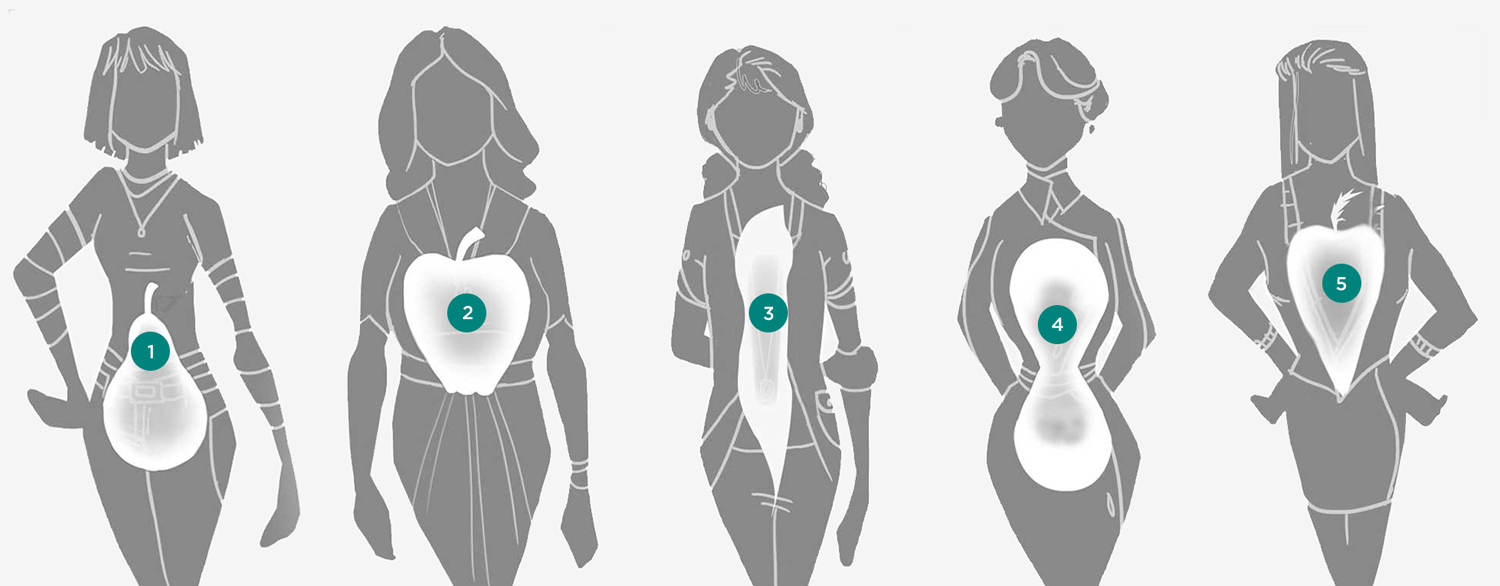
Readers following our Body Type work will recognize the fit: several of the 25 body types lean on the liver and digestion, and the Intestinal type’s gentle cleanse is a natural moment to add an evening liver-oil ritual. (There’s even a dedicated Liver body type in the system — if that’s you, this one’s practically made for your nightstand.)
The food does the heavy lifting from the inside; the oil, the L-glutamine, and the fiber are the simple supports that help you actually feel like you’re caring for yourself.
The complete picture
No supplement, lotion, herb, or diet outruns poor daily habits. What actually moves the needle is the stack:
- Whole foods and less sugar
- Adequate protein
- Daily movement
- Healthy relationships
- Emotional healing and forgiveness
- Prayer and faith
- Enough sleep
- Psyllium husk for fiber and metabolic support
- L-glutamine for gut barrier support
- Traditional bitter and digestive herbs — like the Liver Breaker formula above
- Liver-supporting essential oils — including this body oil
The goal isn’t to “detox” the liver. The goal is a life that lets the liver do what it was built to do: regulate energy, process nutrients, and keep the rest of the system running. Working on the gut-liver axis, insulin resistance, and belly fat through consistent daily habits beats any single product, every time.
Questions people actually ask
Can essential oils cleanse or detox my liver? No — and be wary of anyone selling you that they can. These oils have long traditional use in aromatherapy and herbalism, which is a different claim entirely. Your liver detoxifies your body; nothing detoxifies your liver. What this blend offers is a calming evening ritual, not an intervention.
Where exactly do I put it? Right side, just under the rib cage — and remember most of the liver sits behind the lower ribs rather than below them, so work that whole area including up onto the ribs themselves. The soles of the feet and along the spine are traditional additions if you want a longer ritual.
Can I use a different carrier oil? Yes. Jojoba, olive, or fractionated coconut all work fine. Sesame is the choice here for its warmth and its long history in abhyanga, but if sesame is a problem for you — allergy, or you simply dislike the smell — swap it. The essential oil amounts stay the same.
How long does one bottle last? Longer than most people expect. Forty-three grams is roughly 860 drops, so at 2–4 drops a night you’re looking at the better part of a year. Shelf life is the real limit, not volume: mix it, date it, and plan to finish it within about a year.
Can I take the Liver Breaker formula and use the oil the same night? Yes — they’re built to sit in the same evening window. Oil first, then the herbs, then the L-glutamine 30–60 minutes before you turn in.
Do I have to do the whole routine? No. The oil on its own is a fine place to start, and a two-minute ritual you actually keep beats a six-step protocol you abandon by Thursday.
A few honest cautions
Natural doesn’t mean “anything goes.” The body oil is gentle and the herbs are traditional, but both deserve a little care:
- Skip the oil during pregnancy, and if you have a history of seizures — that’s the fennel and rosemary, and it’s the standard guidance.
- Patch test first: a drop on your inner forearm, wait a day.
- Good news on sun: there’s no citrus here, so no sun-sensitivity worries.
- Blue tansy is blue: it tints the oil a gorgeous deep blue-green and can faintly mark light fabric, so let it soak in before you dress.
- The supplements aren’t for everyone. If you have existing medical conditions — liver or kidney issues, a seizure history — take medications, or are pregnant or nursing, talk to your healthcare professional before starting L-glutamine or psyllium.
- Bitter herbs deserve the same care. Berberine-containing herbs like Indian barberry are traditionally avoided in pregnancy and nursing and are known to interact with a number of medications. Milk thistle and dandelion are in the ragweed and daisy family, so skip them if that’s an allergy of yours. Talk to a qualified herbalist or your healthcare professional before starting the Liver Breaker formula — especially alongside prescriptions.
The barefoot part
The point of making this yourself isn’t to save a few dollars (though you will). It’s that you’ll know exactly what’s in it — six oils and a seed oil, every one of which you can name and pronounce. No mystery “fragrance,” no filler. You made it, so you trust it.
That’s the whole idea around here: fewer, better things, made by your own hands — plus a few simple daily habits that support the systems keeping everything else running.
Make it the easy way
Want this recipe as a printable card for your workbench? Get the printable Liver Support Body Oil card — we’ll email you the PDF, along with the occasional recipe worth making.
Don’t have all six oils on hand? We carry them — shop the blend ingredients, or grab a ready-made bottle and skip straight to the ritual.
Working the gut-liver side too? Shop the Liver Breaker Herbal Formula — eight traditional bitter and digestive herbs, blended in small batches.
Sources & further reading
- Essential Oils Desk Reference, 7th ed., Life Science Publishing, 2016 — JuvaFlex blend (p. 154); Liver Health and the signs of an overloaded liver (pp. 318–320); cleansing (pp. 321–323).
- Carolyn L. Mein, D.C., Different Bodies, Different Diets / The 25 Body Type System — Intestinal and Liver body-type profiles.
- Traditional Chinese medicine organ body clock (liver: 1–3 a.m.).
- Research on the gut-liver axis in metabolic and fatty-liver contexts.
- Common use of L-glutamine for intestinal epithelial support, and psyllium husk for soluble fiber, cholesterol, and blood-sugar support — always individualize with a professional.
- Glutamine & oral mucositis (the real hospital use). Chuang H-C, et al. “Effectiveness of glutamine in the management of oral mucositis in cancer patients: a meta-analysis of randomized controlled trials.” Supportive Care in Cancer, 2021 (16 RCTs): https://pubmed.ncbi.nlm.nih.gov/33598734/
- The cautious read. “Oral Glutamine May Have No Clinical Benefits to Prevent Radiation-Induced Oral Mucositis in Adult Patients With Head and Neck Cancer: A Meta-Analysis of RCTs” — why the evidence is called mixed: https://pmc.ncbi.nlm.nih.gov/articles/PMC7180868/
- Cancer safety. Memorial Sloan Kettering — Glutamine (integrative-medicine herb page), including the tumor-metabolism cautions: https://www.mskcc.org/cancer-care/integrative-medicine/herbs/glutamine
- Video discussions on L-glutamine (including the Gut Feelings / Peggy Schirmer “30¢ hospital” pitch) and on psyllium husk timing, discussed in the gut support sections above.