If you carry weight around the middle and want to lean out, a “reset” — a short, repetitive run of a few foods — is one of the most reliable tools there is. It works for a boring reason: when the menu is small and the food is filling, you eat less without counting a thing. The catch, for the Intestinal body type, is which few foods. Pick the wrong ones and a low-variety stretch leaves you running on foods this sensitive “funnel” of a digestive system handles badly — bloated, gassy, and convinced the diet is “inflaming” you.
The fix is to build the reset out of the type’s anchor foods: the ones that stay in the top “Frequently” tier on both Carolyn Mein’s Healthy list and her Sensitive list (the one for when you’re stressed or not digesting well). Do that and the reset keeps its fat-loss power without asking a struggling gut to do extra work. For the full tier-by-tier reference behind every pick here, see the Intestinal Body Type Food Guide.
How a reset week works
None of this beats energy balance — a reset just makes a deficit happen on autopilot. Keep these and the mechanism stays intact:
- Keep the list small — 6–10 foods, not four. Enough variety that you don’t quit by day five, few enough that meals stay simple and portions stay honest.
- Repeat the same couple of meals most days. Decision fatigue is what ends diets.
- High volume, measured fat. Pile on the vegetables; keep fat to a tablespoon of olive oil or a knob of butter per meal, not a free pour.
- No liquid calories, no artificial sweeteners. Both are “Rarely” foods for this type anyway, and liquid calories don’t fill you up.
- Skip yeasted bread for the stretch.
- Lift while you’re in it, and cap the strict version around 30 days. Then widen back out — this body does best with rotation, not a permanent four-food loop.
The strict week — for good-digestion stretches
When you’re digesting well, you can lean on the type’s full top tier. This is the plate:
Built on the type’s anchor foods — 7 that stay top-tier even under stress (12 top-tier in all) — with no “Rarely” foods.
- Chicken Frequently
- Turkey Frequently
- Sweet potatoes Frequently anchor
- White basmati rice Frequently anchor
- Rice cakes Frequently anchor
- Pinto beans Frequently anchor
- Broccoli Frequently
- Cabbage (green, napa, red) Frequently
- Spinach (cooked) Frequently anchor
- Peas Frequently anchor
- Walnuts (black, English) Frequently anchor
- Olive oil Moderately holds under stress
- Butter Frequently
Scored against Carolyn Mein’s Intestinal Profile. See the full Healthy vs. Sensitive crosswalk.
- Protein: chicken or turkey (both “Frequently” on a good day).
- Carb (pick one or two and repeat): sweet potato first — it’s an anchor; basmati rice or rice cakes; white or yellow potato only on strong-digestion days (it’s “Frequently” on the Healthy list but eases back when you’re off).
- Volume veg, cooked: broccoli, cabbage, cooked spinach, peas and snow peas; carrots in moderation.
- Legume: pinto beans, 3–7× a week — the type’s standout, “Frequently” on both lists.
- Fat: 1 tbsp olive oil or a measured knob of butter.
- Snack: a small handful of walnuts (an anchor).
A strict-week day (no tracking)
- Breakfast (lighter): ½ cup basmati rice or a bowl of amaranth, a knob of butter, a small handful of walnuts.
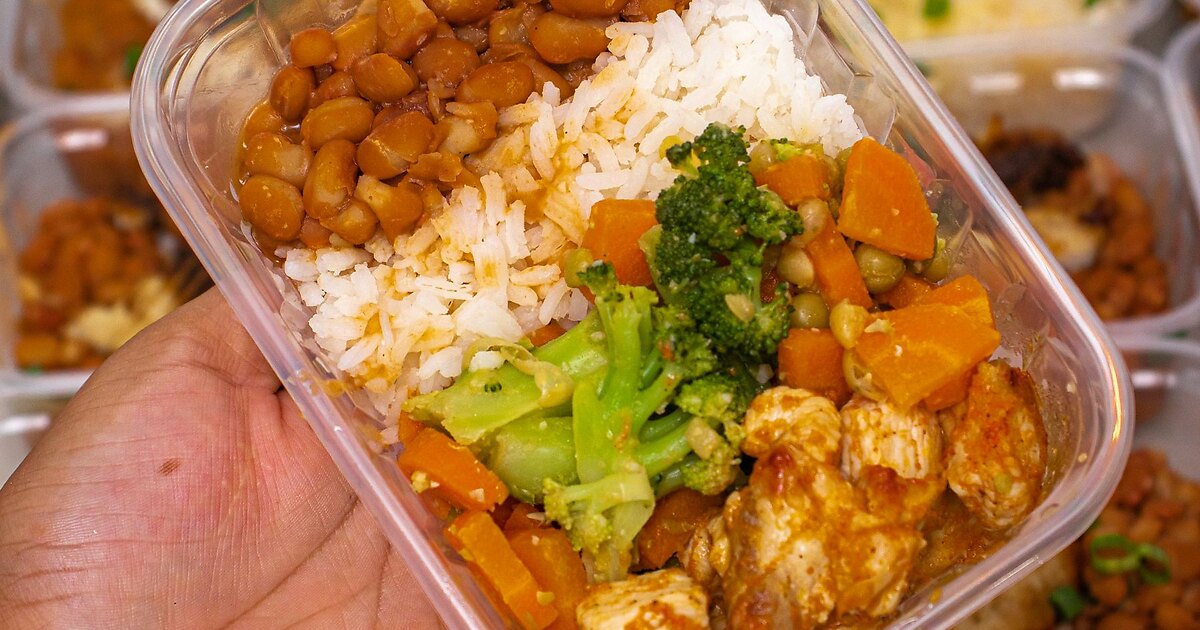
- Lunch (the big meal): a palm or two of chicken, 1 cup pinto beans, a large pile of cooked broccoli, cabbage, and carrots, 1 tbsp olive oil, ¾–1 cup sweet potato.
- Dinner (lighter): a smaller portion of the same — poultry or beans, cooked greens and peas, a little rice.
Same few components, big midday plate, lighter ends of the day. That’s the whole trick.
The sensitive week — when you’re run-down
Bloated, low energy, digestion off? Pull back to what’s still standing when you’re depleted. Every plant food here holds its top tier on the Sensitive list — none of it is asking a struggling gut to do extra work:
Built on the type’s anchor foods — 9 that stay top-tier even under stress (9 top-tier in all) — with no “Rarely” foods.
- Sweet potatoes Frequently anchor
- White basmati rice Frequently anchor
- Rice cakes Frequently anchor
- Amaranth Frequently anchor
- Pinto beans Frequently anchor
- Spinach (cooked) Frequently anchor
- Peas Frequently anchor
- Snow pea pods Frequently anchor
- Walnuts (black, English) Frequently anchor
Scored against Carolyn Mein’s Intestinal Profile. See the full Healthy vs. Sensitive crosswalk.
- Foundation: sweet potato + basmati rice or rice cakes + amaranth, plus pinto beans, cooked spinach, and peas or snow peas.
- Protein — keep it, but smaller. No dense protein stays top-tier under stress: chicken, turkey, and fish all ease to “Moderately” when you’re sensitive, so portion down rather than piling on, or lean on plain yogurt or kefir if dairy sits well. Drop beef and daily white potato for the week — those fall the furthest.
- Cook everything. Go easy on raw brassicas and salads until you’re back to strong; cooked spinach and squash are far gentler than a big raw bowl.
A sensitive-week day
- Breakfast: amaranth porridge with a little butter.
- Lunch: a modest portion of chicken or fish, 1 cup pinto beans, cooked spinach and peas, ¾–1 cup sweet potato.
- Dinner: basmati rice or rice cakes, a small bowl of pinto beans, cooked peas.
Fat, timing, and a digestion reality check
Fat: for this type, butter is the stronger everyday fat — “Frequently” on the Healthy list, easing to “Moderately” when you’re sensitive — while pressed oils like olive oil sit at “Moderately” on both. Either works for a reset; the rule that matters is measured, not free-poured.
Timing: if it suits you, make lunch your biggest meal and keep dinner lighter — cooked vegetables midday, a lighter plate at night. Do what your digestion tells you.
The brassica trap: broccoli and cabbage in big daily volume are a lot of fermentable bulk. For some people that’s filling and fine; for others it’s gas and bloating. If that’s you, cook them soft or swap toward squash, cooked spinach, and carrots — the answer is never more raw salad.
After 30 days
A reset is a tool, not a lifestyle. Once you’ve leaned out — or hit about the four-week mark — widen the list back out to the full weekly meal-prep plan: more proteins, more vegetables, rotation, and the fermented foods that keep your gut flora broad. The reset gets you moving; the full plan is where you live.
Common questions
Is this keto or low-carb? No. It’s the opposite — sweet potato, rice, and beans are the backbone. The deficit comes from a small, filling menu, not from cutting carbs.
Do I have to count calories? No. That’s the point of a reset: a short, repetitive, high-volume menu makes the deficit happen on its own. Just don’t free-pour fat or drink your calories.
What if I have IBS-type symptoms? Start on the sensitive-week list, cook everything well, go easy on brassicas, and drink water. If a food consistently sits badly, follow it down to its Sensitive-list tier and eat it there — or drop it for the stretch.
Can I do it as a vegetarian? Mostly — pinto beans, amaranth, and (if dairy sits well) plain yogurt or kefir carry the protein, with rice and sweet potato for volume. It leans lighter on dense protein than the omnivore version.
Want to check any food not named here? The full, searchable Healthy vs. Sensitive crosswalk has every food, tier by tier — the same dataset that scored the plates above.