If you’ve landed here from one of our recipes, you’ve already met the framework: the Intestinal body type from Carolyn Mein’s 25 Body Type System. The Intestinal type is the sensitive “funnel” whose whole job is taking food in and discerning what to keep — so what it takes in matters more than for most. This is the practical guide we keep coming back to when we build a recipe: which foods this body handles best, which to save for a good day, and which to keep rare.
It’s a guide, not the official book. Mein’s Different Bodies, Different Diets has the complete, authoritative food lists; if you want every last item, buy the book. What follows is how we actually use it in the kitchen.
The three tiers
Mein sorts every food into one of three tiers — and the key detail people miss is that the tier describes each individual food, not the whole category. “Grains once a month” doesn’t mean all grains; it means that particular grain.
- Ultra Support / “Frequently” — 3–7 meals per week. The foods this body runs on.
- Basic Support / “Moderately” — 1–2 meals per week. Fine in rotation, not daily.
- Stressful / “Rarely” — no more than once a month. Handled poorly; keep occasional.
Healthy list vs. Sensitive list
There are two versions of the list, and the difference is the whole game:
- The Healthy list is your everyday state — what you can eat when you’re feeling strong and digesting well.
- The Sensitive list is the same foods, ranked for when you’re stressed or not digesting well. Under stress, many foods drop a tier. The ones that don’t — the foods that stay “Frequently” on both lists — are the type’s true anchors.
If a food on the Healthy list leaves you sluggish or bloated instead of energized, move it down a tier for a while. When you feel better, you can bring it back up.
The anchor foods (top-tier even under stress)
This is the short list worth memorizing — the foods that stay in the top “Frequently” tier on both the Healthy and the Sensitive list. When an Intestinal body is depleted, this is essentially what’s left standing, and it’s why our recipes are built on exactly these:
| Category | Anchor foods |
|---|---|
| Grains | Amaranth, brown or white basmati rice, rice cakes |
| Legumes | Pinto beans |
| Nuts | Walnuts (black or English) |
| Vegetables | Peas, snow pea pods, sweet potatoes, cooked spinach |
| Fruit | Dried pineapple |
| Sweeteners | Brown rice syrup, sorghum, date sugar |
| Fruit juice | Cranapple, cranberry concentrate |
| Condiments | Dill or sweet pickles, Spike |
Notice how small the grain and legume rows are: amaranth and basmati are the only grains that hold the top tier under stress, and pinto beans are the only legume. That’s not a coincidence in our recipes — it’s the point.
Here’s that whole set scored as one plate — the same body-type fit card our recipes carry, applied to every anchor food. All of them hold top-tier on both the Healthy and the Sensitive list, which is exactly what makes them the foundation to build on:
Built on the type’s anchor foods — 18 that stay top-tier even under stress (18 top-tier in all) — with no “Rarely” foods.
- Amaranth Frequently anchor
- White basmati rice Frequently anchor
- Brown basmati rice Frequently anchor
- Rice cakes Frequently anchor
- Pinto beans Frequently anchor
- Walnuts (black, English) Frequently anchor
- Peas Frequently anchor
- Snow pea pods Frequently anchor
- Sweet potatoes Frequently anchor
- Spinach (cooked) Frequently anchor
- Dried pineapples Frequently anchor
- Brown rice syrup Frequently anchor
- Sorghum Frequently anchor
- Date sugar Frequently anchor
- Cranapple Frequently anchor
- Cranberry concentrate w/ Re-Vita Frequently anchor
- Pickles (dill, sweet) Frequently anchor
- Spike Frequently anchor
Scored against Carolyn Mein’s Intestinal Profile. See the full Healthy vs. Sensitive crosswalk.
Category by category
Here’s the fuller picture, with the pattern that matters most: where each food starts on a healthy day, and where it slides when you’re run-down.
Dense protein. Chicken and turkey are the everyday “Frequently” proteins. Most red meats, fish, shellfish, and eggs sit at “Moderately” — fine in rotation. Tuna is the notable one to keep rare. Chicken broth is a “Moderately” food, which is why we reach for it as a cooking liquid rather than a daily base.
Dairy and cheese. Butter, plain yogurt, plain kefir, and raw whole milk are the top-tier dairy on a healthy day — butter especially, a “Frequently” food and one of Mein’s named best fat sources. Most cheeses sit at “Moderately.” Under stress, butter and the yogurts ease back to “Moderately” (raw milk drops further), so lean on them when you’re feeling strong.
Nuts and seeds. Pecans and walnuts lead, and dry-roasted (not raw) cashews and peanuts hold the top tier too — roasting matters here. Almonds, coconut, macadamias, and pistachios are “Moderately.” The catch: under stress, pecans, almonds, and coconut all drop to “Rarely,” while walnuts stay put — the most resilient nut for this type.
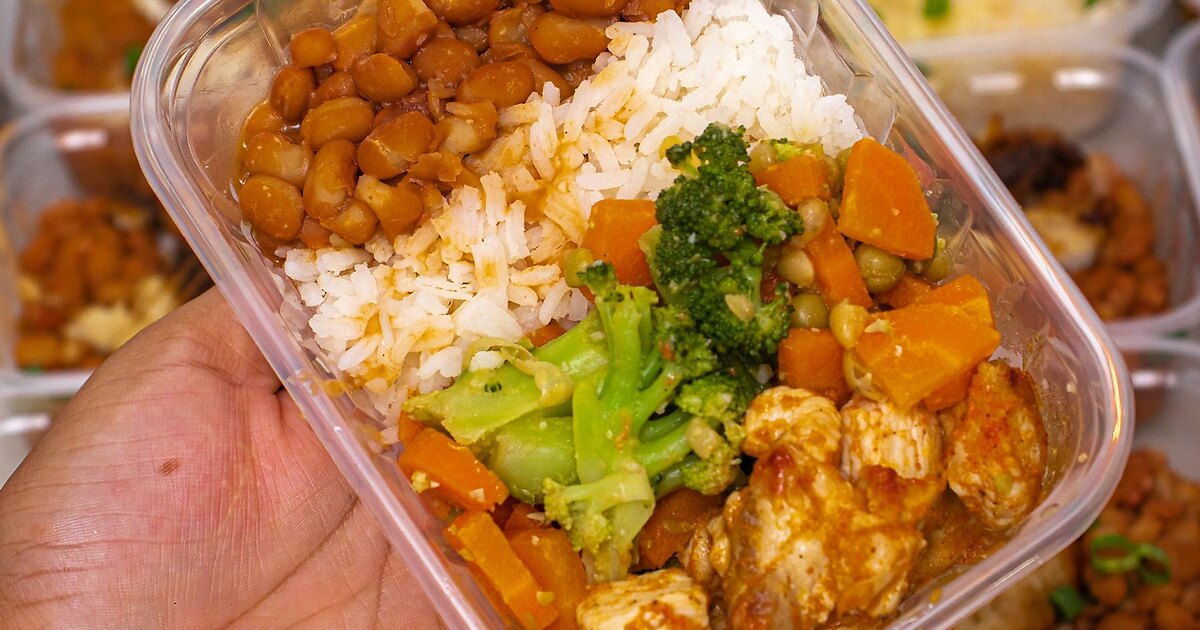
Legumes. Black, lima, and pinto beans plus lentils are the everyday choices, and pinto is the one that never wavers. Soy, garbanzo, kidney, and most other beans are “Moderately.” Our most digestible pinto beans lean on the anchor bean on purpose.
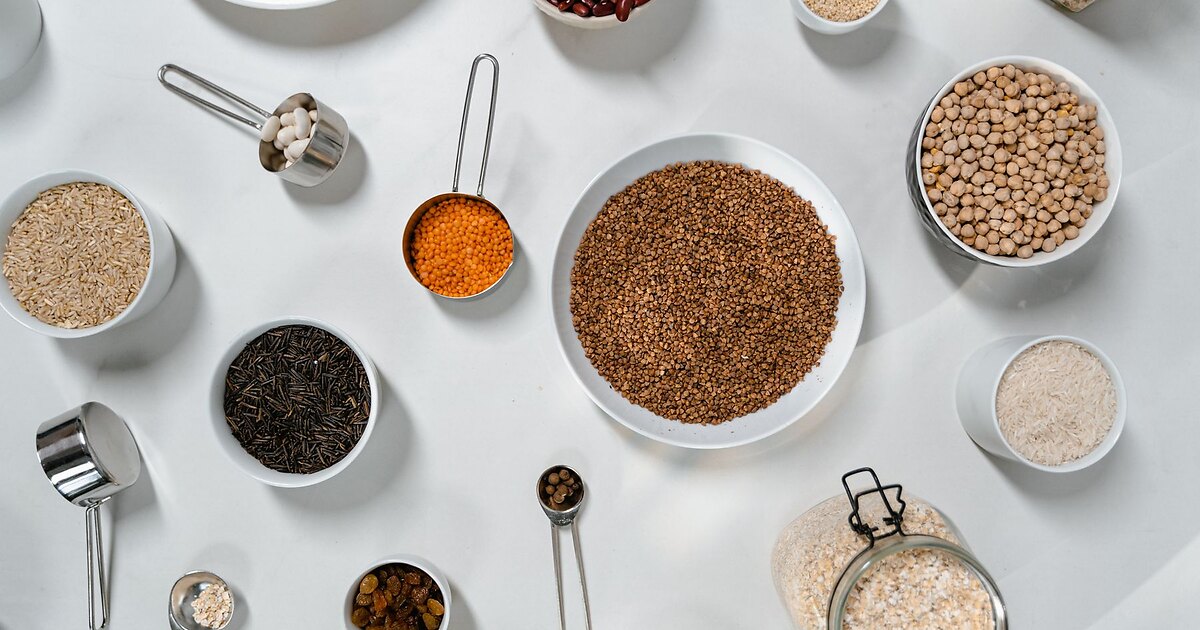
Grains. Amaranth and basmati rice are the core, holding top-tier on both lists. Corn, millet, rye, and whole wheat are fine on a good day but slide when you’re stressed. Barley, buckwheat, and brown or wild rice sit lower. This is the whole idea behind our ancient grain granola and cardamom-lemon basmati rice.
A note on bread. Most breads sit at “Moderately” for this type — sourdough, white, French, and rye all land there (plain whole-wheat bread is the odd one up, rating “Frequently”). Sourdough earns its keep, though: the long, natural fermentation pre-digests some of the gluten, FODMAPs, and phytates, so a sensitive gut often handles it better than standard yeasted bread — and the cleaner the label, the better. A four-ingredient organic loaf like this is the kind to look for:
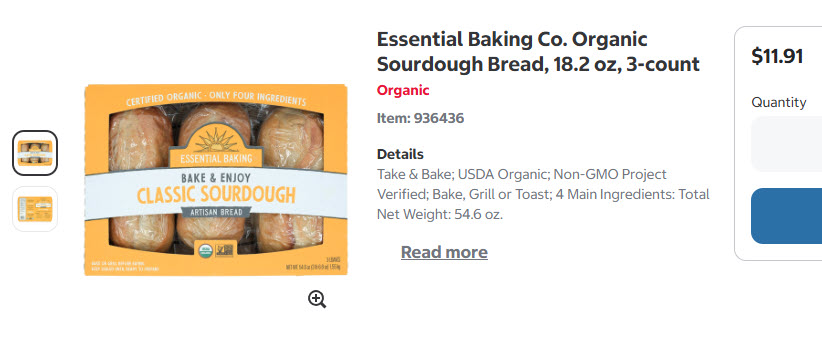
Find it at Costco or from Essential Baking Co. directly — and for context on choosing a loaf, this rundown, Top 5 Worst Bread Brands to Avoid, gets to the better options around the 13:49 mark.
This is also exactly where your own body has the final say: if a “Moderately” bread sits well a bit more often than the once or twice a week the list suggests, that’s useful information, not a rule you’re breaking.
Picking a flour. If you bake your own, the same tiers apply — and milling from whole grain is what moves a flour up. Whole wheat and rye are “Frequently” for this type on the Healthy list; sifted white flour drops a tier to “Moderately.” So a whole-grain mill is the place to shop. Using Janie’s Mill as an example:
- Top tier (“Frequently”): the whole-kernel wheats — Whole-Kernel Bread Flour, Frederick White Wheat, and heirlooms Turkey Red and Red Fife — plus Dark Rye Flour. These are the ones to build on.
- Fine in rotation (“Moderately”): the sifted white-wheat flours — All-Purpose, the bread and Pizza flours, Pastry, Cake, and Durum/Semolina — and Oat Flour.
- Good days only: Cornmeal rates “Frequently” when you’re strong but “Rarely” on the Sensitive list; buckwheat is “Moderately” dropping to “Rarely.” Ease off both when your gut is off.
- Ancient wheats — Einkorn and Black Emmer — aren’t on Mein’s 1997 list; I’d treat them like whole wheat (top tier), and their easier-digesting reputation is a plus for a sensitive gut, the same logic as the fermentation above.
Where to source (regional). Any certified-organic whole-grain mill works. A few by region: Janie’s Mill (Illinois), Central Milling (Cache Valley, Utah), and Grand Teton Ancient Grains (Teton, Idaho) are all certified organic — Grand Teton is the one for einkorn and emmer. Idaho’s Hillside Grain and Flourish Heritage farm organically (no sprays or GMO) but aren’t certified — worth a look if you’re local.
The true grain anchors — amaranth and basmati rice — are the ones that hold top-tier even under stress, but a wheat mill won’t carry them; that’s what our ancient grain granola leans on instead. And whole-grain flour turned into sourdough is the best of both: a top-tier grain plus the fermentation that makes it gentler still.
Want the bread-and-flour rundown on the fridge or in your wallet at the store? Tap Print (or Ctrl/⌘-P) and everything but this card drops away:
| Frequently | Whole-wheat bread; whole-wheat & rye flour. Anchors that hold even under stress: amaranth, basmati rice. |
|---|---|
| Moderately | Sourdough, white, French & rye bread; refined white flour; oat flour. |
| Go easy | Cornmeal & corn bread, buckwheat — fine on a strong day, drop to "Rarely" when your gut is off. |
Sourdough tip: the long fermentation pre-digests some gluten, FODMAPs & phytates — gentler on a sensitive gut. Whole-grain sourdough is the best of both.
Certified-organic mills: Janie's Mill (IL) · Central Milling (UT) · Grand Teton Ancient Grains (ID).
barefootbetters.com — Intestinal Body Type Food Guide
Vegetables. A generous top tier: broccoli, cabbage, beets, brussels sprouts, cucumbers, garlic, mushrooms, onions, peas, snow pea pods, potatoes, sweet potatoes, pumpkin, spinach, and squash. Carrots, celery, greens, peppers, and tomatoes are “Moderately.” Two wrinkles under stress: raw spinach and raw tomatoes drop hard (cooked spinach stays top-tier), and among onions only the brown ones hold “Moderately” — yellow, red, and white slide to “Rarely.”
Fruits. Apples (Golden and Red Delicious), bananas, blueberries, strawberries, black and red grapes, dates, raisins, and dried pineapple are the everyday fruits. Most other fruits — citrus, stone fruit, melons, other berries — are “Moderately.” Under stress, blueberries drop to “Rarely” and bananas ease to “Moderately,” while dried pineapple stays top-tier.
Fats and oils. Butter is the type’s fat — “Frequently” on the Healthy list and one of Mein’s named best fat sources (with sesame, tahini, and a short list of fish). The pressed vegetable oils — olive, avocado, coconut, canola, and most of the rest — sit at “Moderately” on both lists (only soy and almond oil drop to “Rarely” under stress). The Sensitive list does not rate oils higher than the Healthy list; for this type, Sensitive only holds a food steady or demotes it. When a recipe needs fat, butter or ghee is still the top-tier choice; olive or avocado oil is a fine rotational fat, not a rare treat and not a promotion under stress.
Sweeteners. Brown rice syrup, sorghum, molasses, date sugar, and stevia are the top-tier sweeteners on a good day — and brown rice syrup, sorghum, and date sugar hold “Frequently” under stress. Maple syrup is “Rarely” on both lists. Honey, cane sugar, and corn syrup are “Moderately” when you’re strong and drop to “Rarely” when you’re run-down. It’s why our recipes reach for sorghum and date sugar over maple.
Condiments and beverages. Spike and dill or sweet pickles are the anchor condiments. Salt and sea salt are “Moderately” on both lists — not Rarely, and not one of those mythical Sensitive-list promotions. Seltzer water is the top-tier beverage on a healthy day (it drops under stress). Coffee, black tea, alcohol, and regular sodas sit at “Moderately” when you’re strong and drop to “Rarely” when you’re run-down; their tannins also block the iron in an amaranth-and-seed breakfast, so keep strong coffee or tea away from the bowl.
Spices and dried herbs. Cinnamon, ginger, cardamom, nutmeg, black pepper, basil, oregano — none of them are rated here, and that’s not a gap in our data. Mein’s Intestinal lists don’t score spices or dried herbs as a category at all, so there’s no “Frequently,” “Moderately,” or “Rarely” to assign them. Treat them as free seasoning: use what you like to make the anchor foods taste good. It’s why our recipes call for Ceylon cinnamon or a pinch of cardamom and simply note they’re “not on Mein’s 1997 lists” — they flavor a dish without changing its tier.
How to actually use this
You don’t need to memorize the whole thing. Start with the anchor foods, build most meals around the “Frequently” tier for your category needs, rotate in “Moderately” foods, and treat “Rarely” foods as occasional. When you’re stressed or your gut is off, pull back to the anchors — the Sensitive-list foods — until you feel strong again. And let your own body have the final say: if a “Frequently” food doesn’t sit well, it’s not frequently yours.
The 25 Body Type System is Mein’s model, not mainstream nutrition — we offer it as a lens some of you find genuinely useful. For the complete, authoritative food lists, her book Different Bodies, Different Diets is the source.
Check a recipe against the list
Paste a recipe’s ingredients below and we’ll match each one to the crosswalk, show its tier, and score the overall fit for the Intestinal type. It’s a quick, best-effort check — spices, water, and modern add-ins that aren’t on Mein’s lists simply won’t match.
The full crosswalk: Healthy vs. Sensitive, food by food
The complete tier-by-tier reference we work from, drawn from Mein’s Intestinal Profile. Search it by name, or scan by category. This same data powers the body-type fit check on our recipes, so the guide and the recipes never drift apart.
Every food from Carolyn Mein's Intestinal Profile is marked H (Healthy list) and S (Sensitive list) — see the key below. Where H · S share a column the food holds its tier even on your worst days; where they split, it slides when you're run-down — so when a food doesn't sit well, follow it to its S tier and eat it there until you're back to strong. Frequency is per food, not per category.
⬇ Download the full food list (CSV) — the same 432-food dataset that powers this table and our recipe fit checks.
H = Healthy list (your everyday state) · S = Sensitive list (stressed or not digesting well). Tap any column heading to sort.
No foods match your search.
Dense Protein
| Chicken | H | S | |
|---|---|---|---|
| Turkey | H | S | |
| Beef | H | S | |
| Beef broth | H · S | ||
| Beef liver | H · S | ||
| Buffalo | H · S | ||
| Lamb | H | S | |
| Pork | H | S | |
| Ham | H | S | |
| Bacon | H | S | |
| Sausage | H | S | |
| Veal | H · S | ||
| Venison | H · S | ||
| Organ meats (heart, brain) | H · S | ||
| Chicken broth | H · S | ||
| Chicken livers | H · S | ||
| Cornish game hen | H | S | |
| Duck | H · S | ||
| Wild game | H | S | |
| Eggs | H | S | |
| Tuna | H · S | ||
| Yellowtail tuna | H | S | |
| Anchovy | H · S | ||
| Bass | H · S | ||
| Bonito | H · S | ||
| Catfish | H · S | ||
| Cod | H · S | ||
| Flounder | H · S | ||
| Haddock | H · S | ||
| Halibut | H · S | ||
| Herring | H · S | ||
| Mackerel | H · S | ||
| Mahi-mahi | H · S | ||
| Perch | H · S | ||
| Orange roughy | H · S | ||
| Salmon | H · S | ||
| Sardines | H · S | ||
| Shark | H · S | ||
| Red snapper | H · S | ||
| Sole | H · S | ||
| Swordfish | H · S | ||
| Trout | H · S | ||
| Abalone | H · S | ||
| Calamari (squid) | H · S | ||
| Clams | H · S | ||
| Crab | H · S | ||
| Eel | H · S | ||
| Lobster | H | S | |
| Mussels | H · S | ||
| Octopus | H · S | ||
| Oysters | H · S | ||
| Scallops | H · S | ||
| Shrimp | H · S |
Dairy
| Raw whole milk | H | S | |
|---|---|---|---|
| Plain yogurt | H | S | |
| Flavored yogurt | H | S | |
| Plain kefir | H | S | |
| Flavored kefir | H · S | ||
| Butter | H | S | |
| Milk (whole) | H | S | |
| Milk (2% / low fat) | H | S | |
| Milk (nonfat) | H | S | |
| Goat milk | H | S | |
| Half & half | H · S | ||
| Sour cream | H · S | ||
| Sweet cream | H · S | ||
| Buttermilk | H · S | ||
| Frozen yogurt | H | S | |
| Ice cream (Dreyer's, Ben & Jerry's, Swensen's) | H | S | |
| Ice Bean | H | S | |
| Rice Dream | H | S |
Cheese
| White low fat Cheddar | H | S | |
|---|---|---|---|
| American | H · S | ||
| Blue | H · S | ||
| Brie | H · S | ||
| Camembert | H · S | ||
| Cheddar (regular) | H · S | ||
| Colby | H · S | ||
| Cottage | H · S | ||
| Cream cheese | H · S | ||
| Edam | H · S | ||
| Feta | H · S | ||
| Goat cheese | H · S | ||
| Gouda | H · S | ||
| Jack | H · S | ||
| Kefir cheese | H · S | ||
| Limburger | H · S | ||
| Mozzarella | H · S | ||
| Muenster | H · S | ||
| Parmesan | H · S | ||
| Ricotta | H · S | ||
| Romano | H · S | ||
| Swiss | H · S |
Nuts & Seeds
| Walnuts (black, English) | H · S | ||
|---|---|---|---|
| Cashews (dry roasted / unsalted) | H | S | |
| Cashew butter | H | S | |
| Raw cashews | H · S | ||
| Peanuts (unsalted, dry roasted) | H | S | |
| Peanut butter | H | S | |
| Raw peanuts | H | S | |
| Pecans | H | S | |
| Pumpkin seeds (roasted, unsalted) | H | S | |
| Sesame seeds (roasted, unsalted) | H | S | |
| Sunflower seeds (roasted, unsalted) | H | S | |
| Sesame seed butter | H | S | |
| Sunflower seed butter | H | S | |
| Pumpkin seeds (raw) | H · S | ||
| Raw sesame seeds | H | S | |
| Raw sunflower seeds | H | S | |
| Caraway seeds (raw or roasted) | H | S | |
| Almonds (raw, roasted) | H | S | |
| Almond butter | H | S | |
| Brazil nuts | H | S | |
| Water chestnuts | H · S | ||
| Coconuts | H | S | |
| Filberts | H · S | ||
| Hazelnuts | H · S | ||
| Macadamias (raw, roasted) | H · S | ||
| Macadamia butter | H · S | ||
| Pine nuts (raw, roasted) | H · S | ||
| Pistachios | H | S |
Legumes
| Pinto beans | H · S | ||
|---|---|---|---|
| Black beans | H | S | |
| Lima (butter) beans | H | S | |
| Lentils | H | S | |
| Adzuki beans | H · S | ||
| Garbanzo beans | H · S | ||
| Great northern beans | H · S | ||
| Kidney beans | H · S | ||
| Navy beans | H · S | ||
| Red beans | H · S | ||
| Soy beans | H | S | |
| Black-eyed peas | H · S | ||
| Split peas | H · S | ||
| Hummus | H · S | ||
| Miso | H · S | ||
| Soy milk | H | S | |
| Tofu | H | S |
Grains
| Amaranth | H · S | ||
|---|---|---|---|
| Brown basmati rice | H · S | ||
| White basmati rice | H · S | ||
| Rice cakes | H · S | ||
| Corn (grain) | H | S | |
| Corn bread | H | S | |
| Corn grits | H | S | |
| Hominy grits | H | S | |
| Millet | H | S | |
| Rye (grain) | H | S | |
| Long/short grain brown rice | H | S | |
| Polished rice | H | S | |
| Japanese rice | H | S | |
| Wild rice | H | S | |
| Rice bran | H | S | |
| Popcorn cakes | H | S | |
| Whole wheat (grain) | H | S | |
| Whole wheat tortillas | H | S | |
| Whole wheat bread | H | S | |
| Cream of rice | H | S | |
| Cream of rye | H | S | |
| Cream of wheat | H | S | |
| Barley | H | S | |
| Buckwheat | H | S | |
| Blue corn | H · S | ||
| Corn tortillas | H | S | |
| Oats | H · S | ||
| Oat flour pancakes | H · S | ||
| Popcorn | H · S | ||
| Quinoa | H · S | ||
| Triticale | H · S | ||
| Wheat bran | H · S | ||
| Wheat germ | H · S | ||
| Refined wheat flour | H · S | ||
| Flour tortillas | H | S | |
| French bread | H | S | |
| Italian bread | H | S | |
| Garlic bread | H | S | |
| 7-grain / multi-grain bread | H | S | |
| Oat bread | H | S | |
| Corn/rye bread | H | S | |
| Rye bread | H | S | |
| Yeast-free rye bread | H · S | ||
| Rice bread | H | S | |
| Sprouted grain bread | H | S | |
| Sourdough bread | H | S | |
| White bread | H | S | |
| Croissants | H | S | |
| Bagels (plain) | H · S | ||
| Onion bagels | H · S | ||
| Bagels (other) | H | S | |
| English muffins | H · S | ||
| Oat crackers | H · S | ||
| Oriental rice crackers | H · S | ||
| Rye crackers | H · S | ||
| Saltines | H · S | ||
| Sesame seed crackers | H · S | ||
| Carr's Table Water crackers | H · S | ||
| Whole wheat crackers | H · S | ||
| Pasta (plain) | H · S | ||
| Spinach pasta | H | S | |
| Beet pasta | H | S | |
| Tomato pasta | H · S | ||
| Couscous | H · S | ||
| Udon noodles | H · S | ||
| Chinese rice noodles | H · S | ||
| Oat bran | S |
Vegetables
| Artichokes | H | S | |
|---|---|---|---|
| Beets | H | S | |
| Broccoli | H | S | |
| Brussels sprouts | H | S | |
| Cabbage (green, napa, red) | H | S | |
| Corn (vegetable) | H | S | |
| Cucumbers | H | S | |
| Garlic | H | S | |
| Jicama | H | S | |
| Red leaf lettuce | H | S | |
| Mushrooms | H | S | |
| Onions (chives, green, red, white, yellow, vidalia) | H | S | |
| Brown onions | H | S | |
| Peas | H · S | ||
| Snow pea pods | H · S | ||
| Potatoes (all varieties) | H | S | |
| Sweet potatoes | H · S | ||
| Pumpkin | H | S | |
| Seaweed (arame, dulse, kelp, nori, wakame) | H | S | |
| Spinach (cooked) | H · S | ||
| Spinach (raw) | H | S | |
| Squash (acorn, butternut) | H | S | |
| Yams | H | S | |
| Asparagus | H · S | ||
| Avocados | H | S | |
| Bamboo shoots | H · S | ||
| Green beans | H · S | ||
| Yellow wax beans | H · S | ||
| Lima beans (as vegetable) | H · S | ||
| Bok choy | H · S | ||
| Broccoflower | H · S | ||
| Carrots | H · S | ||
| Cauliflower | H · S | ||
| Celery | H · S | ||
| Chard | H · S | ||
| Cilantro | H · S | ||
| Eggplant | H · S | ||
| Greens (beet, collard, mustard, turnip) | H · S | ||
| Kale | H · S | ||
| Kohlrabi | H · S | ||
| Leeks | H · S | ||
| Lettuce (Boston, butter, endive, curly leaf, romaine) | H · S | ||
| Okra | H · S | ||
| Olives (black) | H | S | |
| Olives (green, ripe) | H · S | ||
| Parsley | H · S | ||
| Parsnips | H · S | ||
| Bell peppers (green, red, yellow) | H | S | |
| Chili peppers | H | S | |
| Pimentos | H | S | |
| Radish / daikon radish | H · S | ||
| Rutabaga | H · S | ||
| Sauerkraut | H · S | ||
| Shallots | H · S | ||
| Sprouts (alfalfa, mung bean, clover, radish, sunflower) | H · S | ||
| Squash (banana, spaghetti, yellow/summer, zucchini) | H · S | ||
| Tomatoes (cooked / canned) | H · S | ||
| Tomatoes (raw / hothouse / vine-ripened) | H | S | |
| Turnips | H · S | ||
| Watercress | H · S | ||
| Arugula | H · S | ||
| Iceberg (head) lettuce | H · S |
Vegetable Juices
| Celery juice | H · S | ||
|---|---|---|---|
| Carrot juice | H · S | ||
| Carrot/celery juice | H · S | ||
| Parsley juice | H · S | ||
| Spinach juice | H · S | ||
| Tomato juice | H · S | ||
| V-8 | H · S |
Fruits
| Apples (Golden or Red Delicious) | H | S | |
|---|---|---|---|
| Apples (Jonathan, Rome Beauty, McIntosh, Pippin, Granny Smith) | H · S | ||
| Bananas | H | S | |
| Blueberries | H | S | |
| Strawberries | H | S | |
| Grapes (black, red) | H | S | |
| Green grapes | H · S | ||
| Cantaloupe (alone) | H | S | |
| Black plums | H | S | |
| Dates | H | S | |
| Dried pineapples | H · S | ||
| Raisins | H | S | |
| Blackberries | H · S | ||
| Boysenberries | H · S | ||
| Cranberries | H · S | ||
| Gooseberries | H · S | ||
| Raspberries | H · S | ||
| Cherries | H · S | ||
| Grapefruits (red, white) | H · S | ||
| Guavas | H · S | ||
| Kiwi | H · S | ||
| Kumquats | H · S | ||
| Lemons | H · S | ||
| Limes | H · S | ||
| Loquats | H · S | ||
| Mangos | H · S | ||
| Melon (casaba) | H · S | ||
| Melon (crenshaw) | H · S | ||
| Melon (honeydew) | H | S | |
| Watermelon | H | S | |
| Nectarines | H · S | ||
| Oranges | H | S | |
| Papayas | H · S | ||
| Peaches | H · S | ||
| Pears | H · S | ||
| Persimmons | H · S | ||
| Pineapples (fresh) | H · S | ||
| Plums (purple, red) | H · S | ||
| Pomegranates | H · S | ||
| Rhubarb | H · S | ||
| Tangelos | H · S | ||
| Tangerines | H · S | ||
| Figs (fresh, dried) | H · S | ||
| Prunes | H · S | ||
| Apricots | H · S |
Fruit Juices
| Apple juice | H | S | |
|---|---|---|---|
| Apple cider | H | S | |
| Cranapple | H · S | ||
| Cranberry juice | H | S | |
| Cranberry concentrate w/ Re-Vita | H · S | ||
| Apple/apricot juice | H | S | |
| Apricot juice | H | S | |
| Black cherry juice | H · S | ||
| Red cherry juice | H · S | ||
| Grape juice (purple, red, white) | H · S | ||
| Grapefruit juice | H · S | ||
| Guava juice | H · S | ||
| Lemon juice | H · S | ||
| Papaya juice | H · S | ||
| Pear juice | H · S | ||
| Pineapple juice | H · S | ||
| Pineapple/coconut juice | H · S | ||
| Prune juice | H · S | ||
| Tangerine juice | H · S | ||
| Watermelon juice | H · S | ||
| Orange juice | H · S |
Vegetable Oils
| All-blend oil | H · S | ||
|---|---|---|---|
| Almond oil | H | S | |
| Avocado oil | H · S | ||
| Canola oil | H · S | ||
| Coconut oil | H · S | ||
| Corn oil | H · S | ||
| Flaxseed oil | H · S | ||
| Olive oil | H · S | ||
| Peanut oil | H · S | ||
| Safflower oil | H · S | ||
| Sesame oil | H · S | ||
| Soy oil | H | S | |
| Sunflower oil | H · S |
Sweeteners
| Brown rice syrup | H · S | ||
|---|---|---|---|
| Sorghum | H · S | ||
| Molasses | H | S | |
| Date sugar | H · S | ||
| Re-Vita | H | S | |
| Stevia | H | S | |
| Honey | H | S | |
| Brown sugar | H | S | |
| Raw sugar | H | S | |
| Refined cane sugar | H | S | |
| Barley malt syrup | H · S | ||
| Corn syrup | H | S | |
| Sucanat | H | S | |
| Maple syrup | H · S | ||
| Fructose | H · S | ||
| Saccharin | H · S | ||
| Aspartame / NutraSweet / Equal / Sweet'n Low | H · S |
Condiments
| Spike | H · S | ||
|---|---|---|---|
| Pickles (dill, sweet) | H · S | ||
| Salt | H · S | ||
| Sea salt | H · S | ||
| Vege-Sal | H · S | ||
| Catsup | H | S | |
| Mustard | H | S | |
| Horseradish | H | S | |
| Barbecue sauce | H | S | |
| Pesto sauce | H | S | |
| Soy sauce | H | S | |
| Tahini | H · S | ||
| Salsa | H | S | |
| Vinegar | H · S | ||
| Margarine | H · S | ||
| Mayonnaise | H · S |
Salad Dressings
| Blue cheese dressing | H · S | ||
|---|---|---|---|
| French dressing | H · S | ||
| Ranch dressing | H · S | ||
| Creamy Italian dressing | H · S | ||
| Creamy avocado dressing | H · S | ||
| Thousand island dressing | H · S | ||
| Vinegar and oil | H · S | ||
| Lemon juice and oil | H · S |
Desserts
| Chocolate / chocolate desserts | H | S | |
|---|---|---|---|
| Custards | H | S | |
| Tapioca | H | S | |
| Puddings | H | S | |
| Pies | H | S | |
| Cakes | H | S | |
| Raspberry sherbet | H · S | ||
| Orange sherbet | H · S |
Chips
| Bean chips | H | S | |
|---|---|---|---|
| Corn chips (blue, white, yellow) | H | S | |
| Potato chips | H | S |
Beverages
| Seltzer water | H | S | |
|---|---|---|---|
| Coffee | H | S | |
| Coffee with Re-Vita | H | S | |
| Tea blends (Bigelow) | H · S | ||
| Constant Comment tea | H | S | |
| Peppermint tea | H · S | ||
| Raspberry tea | H · S | ||
| Herbal tea | H · S | ||
| Black tea | H | S | |
| Green tea | H · S | ||
| Japanese tea | H · S | ||
| Chinese oolong tea | H · S | ||
| Mineral water | H | S | |
| Sparkling water | H | S | |
| Wine (red, white) | H | S | |
| Sake | H | S | |
| Liqueurs | H | S | |
| Champagne | H | S | |
| Beer | H | S | |
| Barley malt liquor | H | S | |
| Gin | H | S | |
| Scotch | H | S | |
| Vodka | H | S | |
| Whiskey | H | S | |
| Root beer | H | S | |
| Regular sodas | H | S | |
| Diet sodas | H · S |
Recipes built on this guide
Every one of these leans on the anchor foods above:
- Ancient Grain Granola — amaranth, basmati, walnuts, sorghum, date sugar, and butter
- Barefoot Better Breakfast Granola — the original, with a tier table showing where it lands
- The Most Digestible Pinto Beans — built on the anchor legume
- Cardamom-Lemon Basmati Rice — the anchor grain, butter-forward
- Sweet-Potato Fries & Chips — the anchor vegetable, with butter and Spike, three ways
The guide is just as useful for the cravings that aren’t anchors. Chips & Salsa for the Intestinal Body Type runs the same tiers in the other direction — why chips sit at “Moderately” (and “Rarely” when you’re sensitive), which bagged options are least-wrong, and how to pair them with a Strong-fit fresh salsa.
Eating for a different type? The companion Blood body type food guide does the same tier-by-tier rundown for the protein-forward Blood type.
Simplify, create, and live with God in your heart.